
One Piece Elbaph Arc: April 2026 Premiere Date & The New Seasonal Format Explained | Release Date, New Visuals & Production Shifts
After more than 25 years of continuous weekly broadcasts, One Piece is entering a new era. At Jump Festa 2026, held on December 21, 2025, Toei Animation officially confirmed that the One Piece anime will begin the long-awaited Elbaph Arc on April 5, 2026, marking both a historic production shift and the debut of one of the series' most anticipated locations. This comprehensive 3,500+ word guide covers everything you need to know about the Elbaph Arc premiere, the transition to a seasonal release model, new character visuals, and what this means for the future of One Piece.
Whether you're a longtime fan who's followed the series since 1999, or a new viewer discovering One Piece through the live-action adaptation, this guide provides complete coverage of the production changes, arc previews, character designs, and the significance of this historic shift. We'll explore why Toei Animation is moving to a seasonal format, what the Elbaph Arc brings to the Final Saga, and how the new 26-episodes-per-year schedule will improve animation quality and pacing.
Why This Announcement Matters: The End of an Era
The announcement at Jump Festa 2026 represents a historic moment in anime history. One Piece has maintained a continuous weekly broadcast schedule since October 1999—over 26 years of uninterrupted episodes. This transition to a seasonal format marks the end of an era and the beginning of a new chapter that prioritizes quality over quantity.
For fans, this shift addresses long-standing concerns about pacing and animation quality. The new seasonal model promises one chapter per episode (a 1:1 ratio), significantly improved animation, and a more faithful adaptation of Eiichiro Oda's manga. The Elbaph Arc itself is one of the most anticipated storylines in the series, featuring the legendary homeland of the Giants—a location first teased over 20 years ago.
Quick Navigation
Click to jump directly to a section:
- 1. Jump Festa 2026 Announcement: The Historic Shift
- 2. Production Shift: The Seasonal Era Begins
- 3. Key Dates Calendar: 2025-2026 Timeline
- 4. Elbaph Arc Preview: The Land of Giants
- 5. New Visuals & Character Designs: Viking-Inspired Attire
- 6. Pacing Improvements: 1:1 Chapter-to-Episode Ratio
- 7. Animation Quality: Enhanced Production Values
- 8. Where to Watch Legally (All Regions)
- 9. Voice Cast & Production Team
- 10. FAQ: Common Questions
- 11. Future Outlook: The Final Saga Continues
1. Jump Festa 2026 Announcement: The Historic Shift
The moment that would reshape One Piece's future arrived at Jump Festa 2026, held on December 21, 2025. Toei Animation took the stage to announce not just the Elbaph Arc premiere, but a fundamental restructuring of how One Piece would be produced and released going forward.
What Was Announced
The Jump Festa 2026 announcement included several groundbreaking details:
- Elbaph Arc Premiere: April 5, 2026 confirmed as the start date for Episode 1156
- Production Shift: Transition from weekly to seasonal format starting in 2026
- Hiatus Period: Three-month break from January to March 2026
- Episode Limit: Maximum of 26 episodes per year going forward
- Two-Cour Structure: Annual episodes divided into two parts (approximately 13 episodes each)
- Pacing Improvement: 1:1 chapter-to-episode ratio for better storytelling
Teaser Trailer & Visuals
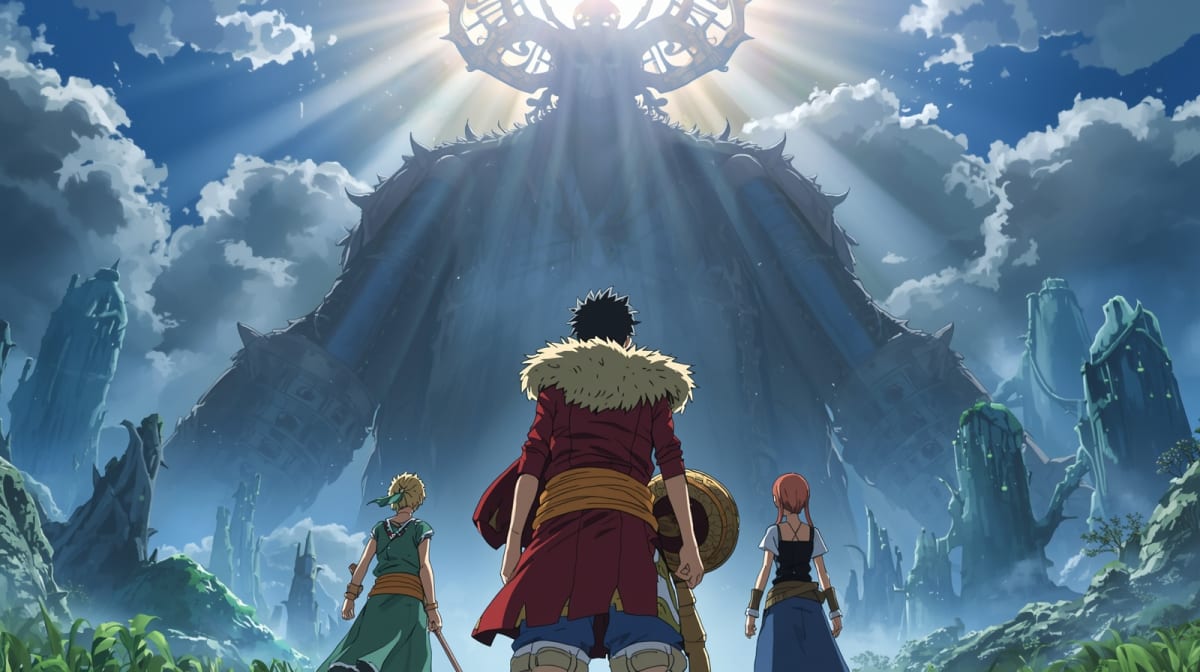
The announcement was accompanied by stunning new visuals and a teaser trailer showcasing:
- Viking-Inspired Attire: The Straw Hat crew in new outfits fitting the Elbaph setting
- Luffy with Axe: The captain carrying a large axe on his back
- Robin's Classic Bangs: Nico Robin returns to her original hairstyle
- Elbaph Architecture: Towering, ancient structures with a "Lego-like" appearance
- Character Design Sheets: 10 official design sheets revealed for the new arc
Fan Reaction & Industry Impact
The announcement generated massive discussion across social media and anime news outlets. Fans expressed excitement about improved animation quality while also acknowledging the end of an era. The shift to seasonal format was widely praised as a necessary change to address pacing issues that had plagued the series for years.
2. Production Shift: The Seasonal Era Begins
After 26 years of continuous weekly broadcasts, One Piece is transitioning to a seasonal release model in 2026. This historic shift represents Toei Animation's commitment to elevating animation quality and synchronizing pacing with the manga.
Why the Format Change?
The original weekly format, while successful, created several challenges:
- Pacing Issues: Episodes often adapted less than one chapter, leading to slow progression
- Animation Quality: Weekly production schedule sometimes resulted in inconsistent animation
- Filler Content: Need to avoid catching up to the manga led to padding and filler
- Production Strain: 26 years of weekly production put significant strain on resources
- Manga Synchronization: Difficulty maintaining proper pacing with the source material
The New Seasonal Model
The transition to a seasonal format offers numerous advantages:
26 Episodes Per Year
- Maximum Limit: The series will release a maximum of 26 episodes annually
- Quality Focus: Fewer episodes allow for higher budget and more polish per episode
- Sustainable Production: More manageable schedule for Toei Animation's team
- Manga Alignment: Better synchronization with Eiichiro Oda's release schedule
Two-Cour Structure
- Split Release: 26 episodes divided into two "cours" of approximately 13 episodes each
- Natural Breaks: Allows for production breaks between cours
- Seasonal Alignment: Episodes can align with anime seasons (Spring/Fall)
- Marketing Opportunities: Each cour can be promoted as a distinct season
1:1 Chapter-to-Episode Ratio
- Improved Pacing: Each episode adapts roughly one full manga chapter
- Tighter Storytelling: No more padding or stretching of content
- Faithful Adaptation: More accurate representation of the manga's pacing
- Better Flow: Episodes feel more complete and satisfying
Hiatus Period: January to March 2026
To prepare for the new format and the Elbaph Arc, the anime will enter a three-month hiatus:
- Start Date: January 2026 (after Episode 1155)
- End Date: March 2026
- Duration: Three months of no new episodes
- Purpose: Production time for the new arc and format transition
- Fan Preparation: Time for fans to catch up or rewatch previous arcs
Benefits of the Seasonal Format
The shift to seasonal format provides several key benefits:
- Higher Animation Quality: More time and budget per episode
- Better Pacing: 1:1 chapter ratio eliminates slow progression
- No Filler: Seasonal format eliminates need for padding
- Production Planning: Toei can plan production schedules more effectively
- Fan Satisfaction: Higher quality episodes will better satisfy viewers
- Sustainable Model: More manageable for long-term production
3. Key Dates Calendar: 2025-2026 Timeline
Here's a comprehensive timeline of important dates for One Piece fans:
| Date | Event | Details |
|---|---|---|
| December 21, 2025 | Jump Festa 2026 Announcement | Toei Animation confirms Elbaph Arc premiere and seasonal format shift |
| December 28, 2025 | Egghead Arc Finale | Episode 1155 concludes the Egghead Arc |
| January 5, 2026 | CHOPPER's Premiere | New mini-anime series begins on Fuji TV |
| January - March 2026 | Official Hiatus Period | Three-month break before Elbaph Arc premiere |
| March 10, 2026 | One Piece Live-Action Season 2 | Netflix's live-action adaptation premieres |
| April 5, 2026 | Elbaph Arc Premiere | Episode 1156 marks the start of the new arc and seasonal format |
What Happens During the Hiatus?
During the three-month hiatus (January to March 2026), fans can expect:
- No New Episodes: The main series will be on break
- CHOPPER's Series: The mini-anime will provide One Piece content during the hiatus
- Promotional Material: Toei will release trailers, character designs, and promotional content
- Manga Continues: The manga will continue its regular release schedule
- Fan Engagement: Social media campaigns and promotional events
4. Elbaph Arc Preview: The Land of Giants
The Elbaph Arc represents one of the most anticipated storylines in One Piece history. This legendary location was first mentioned over 20 years ago, and its debut in the anime marks a pivotal moment in the Final Saga.
What is Elbaph?
Elbaph is the legendary homeland of the Giants, a race of massive humanoids who have appeared throughout One Piece's history. The island has been referenced multiple times in the series, making its debut one of the most long-awaited moments for longtime fans.
Arc Overview
The Elbaph Arc follows the Straw Hat Pirates as they arrive at this mysterious land:
- Setting: The homeland of the Giants, featuring towering architecture and ancient structures
- Architecture: Described as having a "mysterious, Lego-like" island structure
- Themes: Described as a "Land of War" and a pivotal "endgame" chapter in the Final Saga
- Significance: Major developments in the overarching story and character arcs
Key Characters & Returns
Returning Characters
- Dorry and Brogy: The two giants who fought for 100 years, making their return
- Straw Hat Crew: All crew members will have significant moments in the arc
New Characters
- Prince Loki: The disgraced prince of Elbaph, making his long-teased debut
- Elbaph Inhabitants: Various giants and characters native to the island
Story Significance
The Elbaph Arc is described as a crucial "endgame" chapter in the Final Saga:
- Final Saga Progression: Major developments in the overarching narrative
- Laugh Tale Connection: Eiichiro Oda teased that Laugh Tale might finally be glimpsed in 2026
- Character Development: Significant growth for the Straw Hat crew
- World Building: Expansion of One Piece's world and mythology
- Plot Advancement: Moves the story closer to its ultimate conclusion
Arc Themes
The Elbaph Arc explores several key themes:
- War and Conflict: The "Land of War" setting suggests intense battles
- Legacy and History: The ancient homeland of the Giants carries deep history
- Friendship and Rivalry: Dorry and Brogy's relationship continues
- Discovery: The crew discovers secrets about the world and their journey
- Preparation: Building toward the series' ultimate conclusion
5. New Visuals & Character Designs: Viking-Inspired Attire
One of the most exciting aspects of the Elbaph Arc announcement was the reveal of new character designs featuring the Straw Hat crew in Viking-inspired attire, perfectly matching the arc's setting.
Character Design Reveals
Toei Animation released 10 official character design sheets showcasing the crew's new looks:
Monkey D. Luffy
- Notable Feature: Carrying a large axe on his back
- Viking Aesthetic: Outfit matches the Elbaph setting
- Design Elements: Maintains Luffy's iconic style while incorporating Viking themes
Nico Robin
- Hairstyle Return: Returns to her classic bangs hairstyle
- Design Significance: Nostalgic callback to earlier arcs
- Viking Attire: Outfit fits the Elbaph aesthetic
Other Crew Members
- All Straw Hats: Each crew member received new Viking-inspired designs
- Consistent Theme: All designs maintain the Viking aesthetic
- Character Identity: Each design reflects the character's personality
Elbaph Architecture & Setting
The teaser visuals showcased the island's unique architecture:
- Towering Structures: Ancient, massive buildings fitting for giants
- Lego-Like Design: Described as having a "mysterious, Lego-like" appearance
- Viking Influence: Architecture reflects Viking/Norse design elements
- Scale: Everything is built to accommodate the massive size of giants
Visual Quality Improvements
The new seasonal format allows for enhanced visual quality:
- Detailed Designs: More intricate character and environment designs
- Consistent Animation: Higher quality animation throughout episodes
- Atmospheric Effects: Better lighting, shadows, and environmental effects
- Action Sequences: More polished and dynamic battle scenes
6. Pacing Improvements: 1:1 Chapter-to-Episode Ratio
One of the most significant improvements in the new seasonal format is the 1:1 chapter-to-episode ratio, addressing one of the most common criticisms of the original weekly format.
The Old Pacing Problem
The original weekly format often struggled with pacing:
- Slow Adaptation: Episodes sometimes adapted less than one chapter
- Padding: Content was stretched to fill episode time
- Repetitive Scenes: Flashbacks and reaction shots used to extend runtime
- Frustration: Fans felt the anime moved too slowly compared to the manga
The New 1:1 Ratio
The seasonal format implements a 1:1 chapter-to-episode ratio:
- One Chapter Per Episode: Each episode adapts roughly one full manga chapter
- Tighter Storytelling: No more padding or stretching of content
- Better Flow: Episodes feel more complete and satisfying
- Faster Progression: Story moves at a pace closer to the manga
Benefits of Improved Pacing
The 1:1 ratio provides several advantages:
- Fan Satisfaction: Viewers get more story progression per episode
- Manga Alignment: Anime pacing matches the source material
- Reduced Frustration: Less waiting for story to advance
- Better Engagement: Episodes feel more substantial and rewarding
- Quality Over Quantity: Focus on making each episode count
Comparison: Old vs New Format
| Aspect | Old Format (Weekly) | New Format (Seasonal) |
|---|---|---|
| Episodes Per Year | ~48-52 episodes | Maximum 26 episodes |
| Chapters Per Episode | Less than 1 chapter | ~1 chapter (1:1 ratio) |
| Animation Quality | Inconsistent | Consistently high |
| Filler Content | Occasional filler | No filler needed |
| Production Schedule | Continuous weekly | Seasonal with breaks |
7. Animation Quality: Enhanced Production Values
The shift to a seasonal format allows Toei Animation to significantly improve animation quality and production values, addressing another common criticism of the original weekly format.
Production Improvements
The new format enables several production enhancements:
- Higher Budget Per Episode: Fewer episodes means more budget allocated to each
- More Production Time: Seasonal format allows more time for each episode
- Better Planning: Production schedules can be planned more effectively
- Quality Consistency: More consistent animation quality throughout
Expected Visual Enhancements
Fans can expect improvements in several areas:
- Character Animation: More fluid and detailed character movements
- Background Art: More detailed and atmospheric environments
- Action Sequences: More dynamic and polished battle scenes
- Special Effects: Better visual effects for Devil Fruits and abilities
- Color Design: Enhanced color palettes and lighting
Comparison to Recent Arcs
Recent arcs like Wano have already shown improvements in animation quality. The seasonal format will allow Toei to maintain and exceed this level of quality consistently:
- Wano Arc Quality: The seasonal format aims to match or exceed Wano's best episodes
- Consistency: Every episode will maintain high quality, not just key moments
- Sustained Excellence: Quality won't drop due to production schedule pressure
8. Where to Watch Legally (All Regions)
Supporting the official release helps ensure the continued production of One Piece. Here's where to watch the Elbaph Arc legally in your region:
Global Streaming: Crunchyroll
Crunchyroll is the primary international streaming platform for One Piece:
- Availability: Worldwide simulcast (excluding some Asian territories)
- Release Schedule: Episodes available within 1-2 hours of Japanese broadcast
- Subtitles: English subtitles available immediately
- Dub Release: English dub typically 2-3 weeks after sub release
- Subscription: Premium required for simulcast ($9.99/month)
- Video Quality: Up to 1080p with Premium, 480p with free account
Japan
- Fuji TV: Original broadcast network, airs Sundays at 9:30 AM JST
- Local Streaming: Various Japanese streaming platforms
North America
United States
- Crunchyroll: Primary platform, simulcast available
- Funimation: Content migrating to Crunchyroll
- Hulu: May have delayed release (check availability)
Canada
- Crunchyroll: Available with subscription
Mexico
- Crunchyroll: Primary platform
Europe
United Kingdom
- Crunchyroll: Available with subscription
Germany, France, Spain, Italy
- Crunchyroll: Available in most European countries
- Local Platforms: Check regional streaming services
Asia
Other Asian Countries
- Crunchyroll: Available in most regions
- Local Platforms: Check regional streaming services
- Note: Some Asian territories may have different availability
Oceania
- Australia/New Zealand: Crunchyroll available
- Subscription Cost: Typically $9.99-12.99/month
Subscription Costs & Options
Crunchyroll Plans
- Fan: $7.99/month - 480p, ads
- Mega Fan: $9.99/month - 1080p, no ads, offline viewing
- Ultimate Fan: $14.99/month - All features + merchandise discounts
Dub vs Sub Release Schedule
- Sub Release: Same day as Japanese broadcast (1-2 hour delay)
- Dub Release: Typically 2-3 weeks after sub release
- Dub Languages: English, Spanish, Portuguese, French, German, and more
9. Voice Cast & Production Team
One Piece has an iconic voice cast that has remained consistent throughout the series' 26-year run. Season 2 will feature the return of all original voice actors.
Returning Main Cast
Japanese Voice Actors
- Monkey D. Luffy: Mayumi Tanaka (returning) - The iconic voice of the Straw Hat captain
- Roronoa Zoro: Kazuya Nakai (returning) - The swordsman's voice
- Nami: Akemi Okamura (returning) - The navigator's voice
- Usopp: Kappei Yamaguchi (returning) - The sniper's voice
- Sanji: Hiroaki Hirata (returning) - The cook's voice
- Tony Tony Chopper: Ikue Ōtani (returning) - The doctor's voice
- Nico Robin: Yuriko Yamaguchi (returning) - The archaeologist's voice
- Franky: Kazuki Yao (returning) - The shipwright's voice
- Brook: Chō (returning) - The musician's voice
- Jinbe: Katsuhisa Hōki (returning) - The helmsman's voice
New Characters
Voice actors for new characters like Prince Loki will be announced closer to the premiere date.
English Dub Cast
The English dub will feature returning voice actors from Funimation/Crunchyroll:
- Luffy: Colleen Clinkenbeard (expected to return)
- Zoro: Christopher Sabat (expected to return)
- Nami: Luci Christian (expected to return)
- Other Characters: Full English cast expected to return
Production Team
The production team behind One Piece:
- Original Creator: Eiichiro Oda - Creator of the One Piece manga
- Animation Studio: Toei Animation - Lead production house
- Music: Various composers creating the series' iconic soundtrack
10. FAQ: Common Questions
Q1: When does the Elbaph Arc premiere?
A: The Elbaph Arc officially premieres on April 5, 2026 with Episode 1156. This marks the start of the new seasonal format and the end of the three-month hiatus period.
Q2: Why is One Piece going seasonal?
A: Toei Animation is transitioning to a seasonal format to improve animation quality, implement a 1:1 chapter-to-episode ratio for better pacing, and create a more sustainable production model. After 26 years of weekly broadcasts, this shift allows for higher quality and better synchronization with the manga.
Q3: How many episodes will One Piece release per year now?
A: Starting in 2026, One Piece will release a maximum of 26 episodes per year, divided into two "cours" of approximately 13 episodes each. This is a significant reduction from the previous ~48-52 episodes per year, but allows for much higher quality and better pacing.
Q4: What happens during the three-month hiatus?
A: During the hiatus from January to March 2026, the main One Piece anime will be on break. However, fans can watch the new CHOPPER's mini-anime series that premieres on January 5, 2026. Toei Animation will also release promotional material, trailers, and character designs during this period.
Q5: Will the pacing really improve?
A: Yes, the new format implements a 1:1 chapter-to-episode ratio, meaning each episode will adapt roughly one full manga chapter. This is a significant improvement from the previous format, which often adapted less than one chapter per episode, leading to slow progression and padding.
Q6: Is One Piece ending soon?
A: While One Piece is in its Final Saga, the series is not ending immediately. The Elbaph Arc is described as a pivotal "endgame" chapter, but there are still more arcs to come. Eiichiro Oda has indicated the series will continue for several more years, and the seasonal format ensures the anime can adapt the complete story at a proper pace.
Q7: Will all the voice actors return?
A: Yes, all original Japanese voice actors are confirmed to return for the Elbaph Arc, including Mayumi Tanaka (Luffy), Kazuya Nakai (Zoro), and the rest of the Straw Hat crew. The voice cast has remained consistent throughout the series' 26-year run.
Q8: Where can I watch the Elbaph Arc?
A: The Elbaph Arc will be available on Crunchyroll as a simulcast, with episodes available within 1-2 hours of the Japanese broadcast. In Japan, it will air on Fuji TV. English dub will typically follow 2-3 weeks after the sub release.
Q9: What is Prince Loki?
A: Prince Loki is a new character making his debut in the Elbaph Arc. He is described as the disgraced prince of Elbaph and has been long-teased in the series. His voice actor and full role in the story will be revealed when the arc premieres.
Q10: Will the animation quality be better than before?
A: Yes, the seasonal format allows Toei Animation to allocate more budget and production time per episode, resulting in consistently higher animation quality. The new format aims to maintain or exceed the quality seen in recent arcs like Wano, but across all episodes rather than just key moments.
11. Future Outlook: The Final Saga Continues
While the Elbaph Arc marks a historic shift in One Piece's production, it also represents a crucial chapter in the series' Final Saga. The transition to a seasonal format ensures the anime can properly adapt the remaining story at a quality befitting one of the greatest anime series of all time.
The Final Saga Progress
The Elbaph Arc is part of the Final Saga, which began after the Wano Country Arc:
- Current Position: The Elbaph Arc follows the Egghead Arc in the Final Saga
- Significance: Described as a pivotal "endgame" chapter with major story developments
- Laugh Tale Connection: Eiichiro Oda teased that Laugh Tale might finally be glimpsed in 2026
- Story Progression: Moves the Straw Hats closer to their ultimate goal
Future Arcs & Adaptation
The seasonal format provides a clear path for adapting the remaining story:
- Complete Adaptation: The format ensures the anime can adapt the complete Final Saga
- Quality Maintenance: Each arc will maintain high animation quality
- Proper Pacing: The 1:1 ratio ensures faithful adaptation without rushing
- Series Conclusion: The anime will be able to properly conclude when the manga ends
Long-Term Production Model
The seasonal format creates a sustainable model for the series' remaining years:
- Sustainable Schedule: 26 episodes per year is manageable for long-term production
- Quality Over Quantity: Focus on making each episode count
- Fan Satisfaction: Higher quality episodes will better satisfy viewers
- Legacy Preservation: Ensures One Piece's anime conclusion matches its legendary status
Manga Synchronization
The new format better synchronizes with Eiichiro Oda's release schedule:
- No Catching Up: The seasonal format prevents the anime from catching up to the manga
- Proper Distance: Maintains appropriate distance from the source material
- No Filler Needed: Eliminates the need for filler content
- Complete Story: Can adapt the complete story when the manga concludes
Industry Impact
One Piece's transition to seasonal format has broader implications:
- Industry Precedent: Shows that even the longest-running series can adapt
- Quality Focus: Demonstrates the value of prioritizing quality over quantity
- Fan Expectations: Sets new standards for long-running anime adaptations
- Sustainable Production: Provides a model for other long-running series
Conclusion: A New Era for One Piece
One Piece is entering a new era. After 26 years of continuous weekly broadcasts, the transition to a seasonal format represents both an end and a beginning. The Elbaph Arc premiere on April 5, 2026 marks not just the debut of one of the series' most anticipated locations, but the start of a production model that prioritizes quality, pacing, and faithful adaptation.
Why This Shift Matters
The transition to seasonal format matters because it:
- Addresses Long-Standing Issues: Improves pacing and animation quality that fans have requested for years
- Ensures Quality Conclusion: Guarantees the anime can properly conclude the Final Saga
- Sets New Standards: Demonstrates that even legendary series can evolve and improve
- Preserves Legacy: Ensures One Piece's anime conclusion matches its legendary status
- Rewards Patience: The three-month hiatus and reduced episode count will be worth it for the quality improvement
What Makes the Elbaph Arc Special
The Elbaph Arc is significant because it:
- Long-Awaited Debut: Features a location first mentioned over 20 years ago
- Viking Aesthetic: Unique setting and character designs that stand out
- Story Importance: Pivotal "endgame" chapter in the Final Saga
- Character Returns: Features the return of Dorry and Brogy
- New Characters: Introduces Prince Loki and expands the world
- Laugh Tale Connection: May finally glimpse the legendary island
Key Takeaways for the Elbaph Arc
- Premiere Date: April 5, 2026 - mark your calendars for Episode 1156
- Format Change: Transition to seasonal model with 26 episodes per year
- Hiatus Period: January to March 2026 - watch CHOPPER's during the break
- Pacing Improvement: 1:1 chapter-to-episode ratio for better storytelling
- Animation Quality: Consistently high quality across all episodes
- Streaming: Crunchyroll for international simulcast, Fuji TV in Japan
- Character Designs: Viking-inspired outfits for the entire Straw Hat crew
- Story Significance: Major developments in the Final Saga
Final Thoughts
As we count down to April 5, 2026, the anticipation for the Elbaph Arc continues to build. The transition to a seasonal format represents Toei Animation's commitment to delivering the quality that One Piece deserves. After 26 years of weekly broadcasts, this shift ensures that the remaining story will be adapted with the care, quality, and pacing that befits one of the greatest anime series of all time.
Whether you're a longtime fan who's followed the series since 1999, or a new viewer discovering One Piece through the live-action adaptation, the Elbaph Arc promises to be an unforgettable experience. The combination of improved animation quality, better pacing, and one of the most anticipated storylines in the series' history makes this a must-watch event for any anime fan.
The Straw Hat Pirates are about to arrive at the legendary homeland of the Giants, and with the new seasonal format, we'll be able to experience this journey with the quality it deserves. The new era of One Piece begins April 5, 2026—are you ready to set sail for Elbaph?
Stay tuned for updates, episode breakdowns, character analyses, and detailed explanations of the Elbaph Arc as it progresses. The new era of One Piece begins April 5, 2026—the adventure continues!
This comprehensive guide will be updated as more information becomes available. Bookmark this page for the latest updates on the One Piece Elbaph Arc, including episode reviews, character spotlights, and detailed analysis of the seasonal format transition.