
My Life is a Manga: Complete Guide to French Anime-Inspired Series (2026)
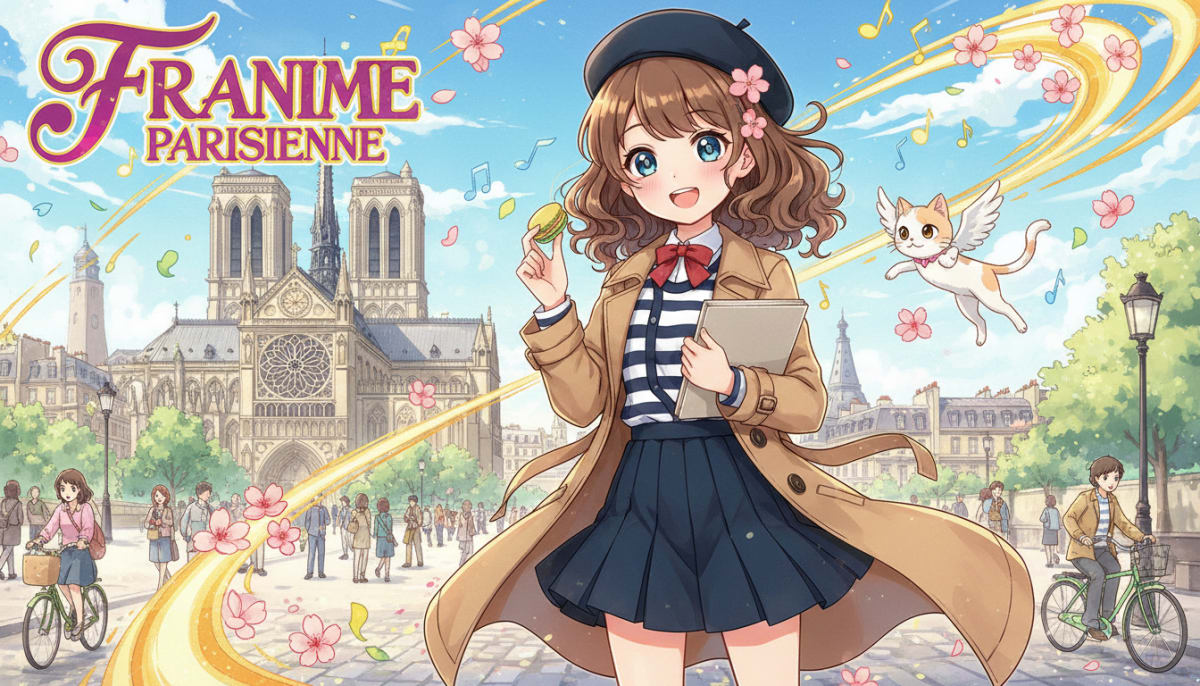
French animation meets Japanese manga culture in this unique 2026 series, exploring cross-cultural storytelling. My Life is a Manga is an upcoming French animated series that follows a Parisian girl named Liya, who is a passionate fan of Japanese manga, as she uses anime-inspired graphic novels to help her navigate and overcome everyday problems and school life. The series is described as "anime made in France," blending dynamic Japanese visual tropes with a European storytelling sensibility. This comprehensive 2,500+ word guide covers everything you need to know about My Life is a Manga, from the unique cultural fusion to detailed character profiles, animation style, and why this series represents a significant moment for international animation.
Whether you're a longtime anime fan interested in how Japanese culture influences international creators or new to the concept of "franime," this guide provides essential context, detailed previews, and expert insights into what makes this series special. We'll explore the series' premise, the cultural fusion between French and Japanese animation styles, the confirmed production details, and why this collaboration represents the growing trend of "homegrown" anime production in the West. This is your complete resource for understanding why My Life is a Manga is being called one of the most anticipated international animation series of 2026.
Why My Life is a Manga Matters: A Cultural Fusion Milestone
My Life is a Manga represents a significant moment for French animation as a flagship "European Anime" title, demonstrating the capability of European studios to compete with Japanese aesthetics while telling locally relevant stories. It represents a mature step in international animation, bridging cultural gaps and creating new genres. The series has strong potential due to the global sway of anime and manga and the growing trend of "homegrown" anime production in the West, with its broad European public broadcaster backing giving it significant initial reach.
For anime fans, this series offers an authentic "franime" experience that respects the source culture while offering a fresh, relatable Western perspective on manga fandom. For newcomers, the series provides an accessible entry point to understanding how Japanese pop culture resonates globally, with a story that explores the power of imagination and art as problem-solving tools. This is more than just another animated series—it's a celebration of cross-cultural creativity and the universal appeal of storytelling.
Quick Navigation
Click to jump directly to a section:
- 1. Series Overview: Plot, Concept & Story Elements
- 2. Cultural Fusion: French Animation Meets Japanese Manga
- 3. Release Information: European Premiere & Format
- 4. Character Profiles: Liya & The Main Cast
- 5. Animation Style: Visual Approach & Technique Blending
- 6. Themes & Philosophy: Culture, Identity & Cross-Cultural Understanding
- 7. Production Background: Studio, Creators & Inspiration
- 8. Where to Watch: Platform Guide & Regional Availability
- 9. FAQ: Common Questions
- 10. Future Outlook: Series Impact & International Appeal
1. Series Overview: Plot, Concept & Story Elements
My Life is a Manga tells the story of Liya, a Parisian girl who uses her love of manga to navigate life's challenges, creating a unique blend of reality and imagination.
The Main Plot
The series is a tween show about Liya, a Parisian girl, who copes with her daily life and struggles by imagining them through the lens of Japanese manga. Each episode is structured like a short shōnen anime episode, with a build-up and climax, as she deals with various situations. The show mixes realism and everyday life with Liya's imagination, giving it a whimsical quality.
Liya faces typical tween challenges, which she tackles with lessons and inspiration drawn from her love of manga. The story progression is serialized but likely episodic, focusing on character development and the humor that emerges from blending mundane problems with over-the-top anime reactions. Her French, everyday problems are filtered through the dramatic, conflict-driven lens of Japanese shōnen manga, creating a cultural bridge between her reality and her inspiration.
The Concept: "Anime Made in France"
The core concept is to create "anime made in France." It is not an adaptation of an existing manga but an original French creation that heavily leverages the aesthetic and narrative appeal of Japanese manga and anime culture for a Western audience. The title means her life is as dramatic, exciting, and visually interesting as a manga story, which is how she perceives and overcomes her challenges.
The series distinguishes itself by being explicitly about the fan culture itself, making the act of loving manga the core narrative device, rather than just using the style. This approach creates a meta-narrative where the protagonist's fandom becomes her superpower, allowing her to see her everyday life through the empowering lens of shōnen manga storytelling.
The Setting
The primary setting for the narrative is Paris, France. The story takes place in a contemporary, everyday world. The world as presented to the viewer blends the realistic Parisian setting with the fantastical visual and narrative elements of the manga world through Liya's perspective. There is no indication of a physical Japanese setting in the main plot, but the culture is central to the protagonist's inspiration.
The contrast between the mundane Parisian world and the vibrant, over-the-top visual language of manga creates a "whimsical quality" that defines the series' unique atmosphere. This visual contrast serves as a metaphor for how imagination can transform our perception of reality.
Specific Story Elements
Specific plot points are episodic, revolving around Liya facing typical tween challenges, which she tackles with lessons and inspiration drawn from her love of manga. The show is designed to have "peak emotional moments" within each episode's structure, likely coinciding with Liya overcoming a personal challenge using an imaginative, empowering sequence.
The narrative structure borrows from the episodic shōnen format, with each episode having a build-up and climax, creating a satisfying story arc that mirrors the manga chapters that inspire Liya. The humor emerges from blending mundane problems with over-the-top anime reactions, creating a unique comedic style that celebrates both cultures.
2. Cultural Fusion: French Animation Meets Japanese Manga
The fusion between French animation and Japanese manga culture creates what has been dubbed "franime"—a unique style that respects both traditions while creating something new.
French Animation Style Influence
French animation often uses full animation, where characters and backgrounds change throughout a scene, focusing on the story's concept over strict realism. In My Life is a Manga, this manifests as a high-budget production with a European flair that includes a mix of conflict and solidarity among characters, treated with both fun and heart. The 2D tradigital animation likely contributes to rich magical or imaginary settings when Liya enters her manga world.
French animation is known for its strong emphasis on art direction and full animation, meaning greater fluidity of movement compared to some traditional anime which reuses frames to save on budget. This combination results in detailed character designs that move seamlessly within rich, varied backgrounds. The European storytelling sensibility often blends realism with whimsy, which perfectly matches the series' premise of combining everyday life with imaginative manga-inspired sequences.
Japanese Manga Culture Influence
Manga culture is central to the series' premise. The series uses visual elements like characters breaking into "chibi" (super deformed) versions during battles or intense emotions, and "eyecatch" transitions (commercial bumpers) popular in Japanese anime. Each episode is structured like a short shōnen manga chapter, focusing on action or character growth.
The entire approach of the protagonist is filtered through her love of this culture. The series references the shōnen genre specifically, focusing on action/adventure character growth dynamics. It is an homage to global manga culture while being firmly rooted in a contemporary French setting. The narrative structure borrows from the episodic shōnen format, with each episode having a build-up and climax that mirrors the manga chapters that inspire Liya.
What Makes This Cultural Fusion Unique
The fusion creates a distinct style often dubbed "franime". It combines the dynamic visual style and character design of Japanese originals with storytelling sensibilities tailored to Western audiences and French narrative preferences, which often blend realism with whimsy. The unique element is its authentic "franime" aesthetic, which isn't just imitating anime but integrating its core visual language into a European production pipeline and narrative structure.
It stands out by offering a highly polished, culturally resonant take on the global appeal of Japanese pop culture, tailored specifically for a Western audience's narrative preferences. The series distinguishes itself from other anime-inspired international series by being explicitly about the fan culture itself, making the act of loving manga the core narrative device, rather than just using the style.
Visual and Narrative Fusion Elements
Visually, the series merges detailed, European-style backgrounds with expressive, dynamic character designs inspired by manga. Narrative techniques combine episodic shōnen structures with relatable, everyday conflicts and character-driven plots that are a hallmark of French storytelling. The art direction likely utilizes a bright, appealing color palette to attract its tween audience, creating a dynamic mix of the mundane Parisian world and the vibrant, over-the-top visual language of manga.
The visual approach is a dynamic mix of the mundane Parisian world and the vibrant, over-the-top visual language of manga. The contrast between these two worlds will be a key visual motif, creating a "whimsical quality" as described by its creators. The series uses Japanese techniques like chibi character moments and eyecatch transitions, combined with French full animation techniques for greater fluidity and production value.
3. Release Information: European Premiere & Format
The series has been officially confirmed and is currently in production. The European Broadcasting Union (EBU) initiated a co-development financing initiative in 2023, with backing from 11 European public broadcasters, including France Télévisions.
Official Confirmation
The series was pitched at industry events like the Cartoon Forum. The EBU and the producers have released key visuals and potentially internal promotional videos, but widespread public trailers or character visuals may not be available yet. This broad European support highlights strong faith in the series' global appeal.
Release Date
The series is scheduled to premiere in Europe in 2026. No specific month or day has been announced yet. The official premiere is scheduled for 2026. Specific premiere dates, times, or information regarding dubbing/subtitling availability will be released closer to that time.
Format
It is a TV series, not a film. It will consist of 52 episodes, each 13 minutes long, and is expected to be an episodic series. The format allows for both standalone episodes and character development across the series, creating a balance between episodic storytelling and longer character arcs.
Creative Team
The key staff members include:
- Creator/Concept: Nicolas Monteiro
- Animation Studios: Blue Spirit Studios and Brain Comet
Further details on the specific director, writer, or the initial inspiration are not widely available in general press, beyond the show being a French original production. Blue Spirit is known for high-quality European animation productions, such as The Mysterious Cities of Gold revival and shows like Runes. Their involvement ensures a high production value.
4. Character Profiles: Liya & The Main Cast
The series centers on Liya, a Parisian girl whose love of manga shapes how she navigates her world, with supporting characters helping to build the story's world.
Liya (Main Character)
The main protagonist is named Liya, a Parisian girl and an avid manga fan. She is likely the central character through whom all events are experienced. Liya is a French character who deeply engages with Japanese culture, using her passion for manga to help her navigate everyday problems and school life.
Character development for Liya revolves around her growth in confidence as she uses her manga-inspired problem-solving skills to navigate real-world challenges. The character arcs are likely tied to the specific lessons she learns about life, trust, and resilience. She experiences growth in confidence as she uses her manga-inspired problem-solving skills to navigate real-world challenges, learning about life, trust, and resilience through her imaginative approach.
Character Designs
The designs are described as prioritizing Japanese design/creative tropes with a European flair. They use anime-style graphic designs, likely blending the aesthetic of manga with the production quality of French animation. The character designs blend detailed, European-style backgrounds with expressive, dynamic character designs inspired by manga, creating a unique visual identity.
The animation style is a 2D "tradigital" approach that looks like traditional Japanese anime but with a high level of fluidity and production value typical of modern French animation. Characters can break into "chibi" (super deformed) versions during battles or intense emotions, showing how the series integrates Japanese visual tropes into its design language.
Character Relationships
Information on specific relationships is limited, but the show focuses on school life and overcoming everyday problems, so friendships and interactions with family and schoolmates are central. The show uses conflict as a source of comedy but emphasizes core bonds. The show is designed for "global appeal," so characters are expected to have a diverse range of cultural and ethnic backgrounds, reflecting the multicultural nature of contemporary Paris.
Supporting Characters
Character details beyond Liya's name and core motivation are not widely specified in the available search results. However, the series focuses on school life and overcoming everyday problems, suggesting that supporting characters will include friends, family members, and schoolmates who help or challenge Liya as she navigates her tween years.
5. Animation Style: Visual Approach & Technique Blending
The animation style represents a true fusion of French and Japanese techniques, creating a unique visual experience that honors both traditions.
Animation Style Overview
The animation style is a 2D "tradigital" approach that looks like traditional Japanese anime but with a high level of fluidity and production value typical of modern French animation. It blends everyday realism in its Parisian setting with highly stylized, fantastical visuals when the protagonist, Liya, enters her imaginary manga world. The result is a vibrant, "anime-influenced" visual style that combines dynamic Japanese character design with French animation production quality.
French Animation Techniques
French animation is known for its strong emphasis on art direction and full animation, meaning greater fluidity of movement compared to some traditional anime which reuses frames to save on budget. This combination results in detailed character designs that move seamlessly within rich, varied backgrounds. The production features high-budget, full animation where characters and backgrounds change throughout a scene, focusing on the story's concept over strict realism.
This manifests as a high-budget production with a European flair that includes a mix of conflict and solidarity among characters, treated with both fun and heart. The 2D tradigital animation likely contributes to rich magical or imaginary settings when Liya enters her manga world, allowing for seamless transitions between reality and imagination.
Japanese Animation Techniques
The series adopts core anime visual tropes, such as "chibi" (super deformed) character moments for emotional peaks or comedic effect, "eyecatch" transitions, and dynamic, action-oriented character designs. The narrative structure also borrows from the episodic shōnen format. These techniques are integrated authentically, showing respect for the source culture while adapting them to fit the series' unique premise.
The visual elements include characters breaking into chibi versions during battles or intense emotions, and eyecatch transitions (commercial bumpers) popular in Japanese anime. Each episode is structured like a short shōnen manga chapter, focusing on action or character growth, creating a narrative rhythm that mirrors the manga chapters that inspire Liya.
Visual Approach
The art direction likely utilizes a bright, appealing color palette to attract its tween audience. The visual approach is a dynamic mix of the mundane Parisian world and the vibrant, over-the-top visual language of manga. The contrast between these two worlds will be a key visual motif, creating a "whimsical quality" as described by its creators.
The series merges detailed, European-style backgrounds with expressive, dynamic character designs inspired by manga. This creates a visual language that can seamlessly transition between the realistic Parisian setting and the fantastical manga-inspired sequences, allowing Liya's imagination to come to life visually.
What Makes the Animation Unique
The unique element is its authentic "franime" aesthetic, which isn't just imitating anime but integrating its core visual language into a European production pipeline and narrative structure. It stands out by offering a highly polished, culturally resonant take on the global appeal of Japanese pop culture, tailored specifically for a Western audience's narrative preferences.
The combination creates detailed character designs that move seamlessly within rich, varied backgrounds, offering a level of fluidity and production value that showcases the strengths of both French and Japanese animation traditions. The series demonstrates the capability of European studios to compete with Japanese aesthetics while telling locally relevant stories.
6. Themes & Philosophy: Culture, Identity & Cross-Cultural Understanding
My Life is a Manga explores themes of cultural identity, the power of imagination, and how art can bridge cultural divides.
Cultural Identity
The show explores how a young person in Paris can adopt and internalize a different culture (Japanese manga) to help form their own identity. The series implicitly asks questions about cultural universalism: how stories and art from one specific culture (Japan) can resonate deeply with a global audience and provide universal truths. This theme is central to the series' premise, as Liya uses manga culture to navigate her French upbringing.
Art and Imagination
A central theme is the power of imagination and art as a coping mechanism and problem-solving tool in everyday life. The series explores how internal fantasy can shape external reality, with Liya using her manga-inspired imagination to transform how she approaches challenges. The core message is that people can find strength, inspiration, and community in the art they love, regardless of its origin.
It promotes values of creativity, resilience, cultural open-mindedness, and the importance of using one's imagination to overcome life's challenges. The series shows how art and storytelling can provide frameworks for understanding and navigating the world, regardless of cultural origin.
Personal Growth
The episodic nature of the series focuses on Liya's emotional and personal growth as she learns life lessons from her manga heroes. Character development for Liya revolves around her growth in confidence as she uses her manga-inspired problem-solving skills to navigate real-world challenges. The character arcs are likely tied to the specific lessons she learns about life, trust, and resilience.
Cross-Cultural Understanding
Themes are explored through Liya's actions. Her French, everyday problems are filtered through the dramatic, conflict-driven lens of Japanese shōnen manga, creating a cultural bridge between her reality and her inspiration. The show highlights how a globalized culture allows for seamless blending of different artistic sensibilities, demonstrating that stories and art can transcend cultural boundaries.
The series promotes values of cultural open-mindedness and the importance of finding inspiration and community in the art we love, regardless of its origin. It shows how cross-cultural understanding can enrich personal identity and provide new ways of seeing and navigating the world.
7. Production Background: Studio, Creators & Inspiration
My Life is a Manga represents a significant collaboration between French animation studios and creative talent, with strong European backing.
Animation Studios
The series is being produced by two French studios: Blue Spirit Studios and Brain Comet. Blue Spirit is known for high-quality European animation productions, such as The Mysterious Cities of Gold revival and shows like Runes. Their involvement ensures a high production value, with the studio's expertise in character-driven storytelling and production quality contributing to the series' polished look.
Creator
Nicolas Monteiro is the creator of the series concept. Further details on the specific director, writer, or the initial inspiration are not widely available in general press, beyond the show being a French original production. The concept represents an original French creation that heavily leverages the aesthetic and narrative appeal of Japanese manga and anime culture for a Western audience.
Production Background
The project was pitched at the Cartoon Forum in Toulouse and gained significant traction through the European Broadcasting Union (EBU) co-development initiative, securing backing from 11 European public broadcasters. This broad European support highlights strong faith in the series' global appeal and represents a significant investment in the series' production.
The EBU initiated a co-development financing initiative in 2023, with backing from 11 European public broadcasters, including France Télévisions. This broad European support ensures the series will have significant initial reach across European markets, with potential for international expansion.
Cultural Collaboration
The collaboration is primarily a French initiative that reverently incorporates Japanese manga aesthetics. It leverages the expertise of French animators in character-driven storytelling and production quality while adopting the dynamic visual shorthand of anime to achieve its unique fusion style. The series demonstrates how European creators can respectfully and authentically integrate Japanese cultural elements into original works, creating something new that honors both traditions.
8. Where to Watch: Platform Guide & Regional Availability
The series will be available on the various public broadcasting channels that co-funded it across Europe, including France Télévisions in France.
European Broadcasting
The series will be available on the various public broadcasting channels that co-funded it across Europe, including France Télévisions in France. The 11 European public broadcasters that backed the project will air the series, giving it significant initial reach across European markets.
International Availability
Specific streaming services (like Netflix, Hulu, or regional services) for international markets have not yet been announced, but its global appeal suggests future platform deals. Given the series' high production value, broad European backing, and unique cultural fusion appeal, it is likely to receive international distribution through major streaming platforms or regional services.
Expected Platforms
Potential platforms include major streaming services like Netflix, Crunchyroll, or regional European streaming services, depending on licensing agreements. The series' global appeal and unique "franime" aesthetic make it an attractive property for international streaming. Specific premiere dates, times, or information regarding dubbing/subtitling availability will be released closer to the 2026 premiere date.
9. FAQ: Common Questions
Q1: When does My Life is a Manga release?
A: The series is scheduled to premiere in Europe in 2026. No specific month or day has been announced yet.
Q2: What is My Life is a Manga about?
A: The series follows Liya, a Parisian girl who is a passionate fan of Japanese manga. She uses anime-inspired graphic novels to help her navigate and overcome everyday problems and school life, imagining her challenges through the lens of Japanese manga.
Q3: Who is creating the series?
A: The series is created by Nicolas Monteiro and produced by Blue Spirit Studios and Brain Comet. It is backed by 11 European public broadcasters through the EBU co-development initiative.
Q4: What is "franime"?
A: "Franime" is a term for French anime—a distinct style that combines the dynamic visual style and character design of Japanese anime with French storytelling sensibilities and production quality. My Life is a Manga is described as "anime made in France."
Q5: How many episodes will there be?
A: The series will consist of 52 episodes, each 13 minutes long, and is expected to be an episodic series.
Q6: Where can I watch it?
A: The series will be available on European public broadcasting channels that co-funded it, including France Télévisions in France. International streaming platforms have not been announced yet, but the series' global appeal suggests future platform deals.
Q7: What animation style does it use?
A: The series uses a 2D "tradigital" approach that looks like traditional Japanese anime but with high production value typical of French animation. It blends realistic Parisian settings with fantastical manga-inspired visuals when Liya enters her imaginary manga world.
Q8: What manga/anime elements are featured?
A: The series uses visual elements like "chibi" (super deformed) character moments, "eyecatch" transitions, and dynamic character designs. Each episode is structured like a short shōnen manga chapter, with episodes focusing on action or character growth.
Q9: Is it based on an existing manga?
A: No, it is an original French creation that heavily leverages the aesthetic and narrative appeal of Japanese manga and anime culture. It is not an adaptation of an existing manga.
Q10: What makes this series unique?
A: The series is unique for being explicitly about manga fan culture itself, making the act of loving manga the core narrative device. It creates an authentic "franime" aesthetic that integrates Japanese visual language into a European production pipeline, rather than just imitating anime.
10. Future Outlook: Series Impact & International Appeal
My Life is a Manga represents a significant moment for international animation, potentially influencing how anime-inspired content is created outside of Japan.
Series Potential
The series has strong potential due to the global sway of anime and manga and the growing trend of "homegrown" anime production in the West. Its broad European public broadcaster backing gives it a significant initial reach, and its universal themes of imagination and identity provide strong international market potential. The series' global appeal and unique "franime" aesthetic make it an attractive property for international distribution.
Cultural Impact
It is significant for French animation as a flagship "European Anime" title, demonstrating the capability of European studios to compete with Japanese aesthetics while telling locally relevant stories. It represents a mature step in international animation, bridging cultural gaps and creating new genres. The series shows how European creators can respectfully and authentically integrate Japanese cultural elements into original works, creating something new that honors both traditions.
International Appeal
The series fits into a movement alongside titles like Ki & Hi in the Panda Kingdom or possibly US shows like Avatar: The Last Airbender (though the latter is US produced with anime influence). My Life is a Manga distinguishes itself by being explicitly about the fan culture itself, making the act of loving manga the core narrative device, rather than just using the style.
Fan reactions are currently speculative as the show is still in production for a 2026 release. Expectations center on the novelty of an authentic "franime" experience that respects the source culture while offering a fresh, relatable Western perspective on manga fandom.
Future of "Franime"
The success of My Life is a Manga could pave the way for more "franime" productions, establishing French animation as a capable producer of anime-inspired content. The series demonstrates that European studios can create authentic, high-quality anime-inspired content that respects the source culture while telling locally relevant stories. This could influence future international animation projects and further establish the trend of "homegrown" anime production in the West.
Conclusion: Why My Life is a Manga Matters
My Life is a Manga represents a significant milestone in international animation, bringing together French animation production quality with Japanese manga culture to create something truly unique. By exploring how a Parisian girl uses her love of manga to navigate life's challenges, the series celebrates cross-cultural creativity and demonstrates the universal appeal of storytelling. The combination of high production value, authentic cultural fusion, and relatable themes creates a series with tremendous potential.
Whether you're a longtime anime fan interested in how Japanese culture influences international creators or new to the concept of "franime," My Life is a Manga offers an opportunity to experience a unique blend of cultural traditions. With its exploration of imagination, identity, and how art can bridge cultural divides, this series promises to be both entertaining and thought-provoking.
Mark your calendars for 2026 and prepare for a series that celebrates the power of cross-cultural creativity. This is "anime made in France," and it's ready to show the world how Japanese pop culture can inspire authentic, original storytelling anywhere. The cultural fusion is here, and it's bringing together the best of both worlds—French storytelling and Japanese visual culture—in a way that's never been done before.