
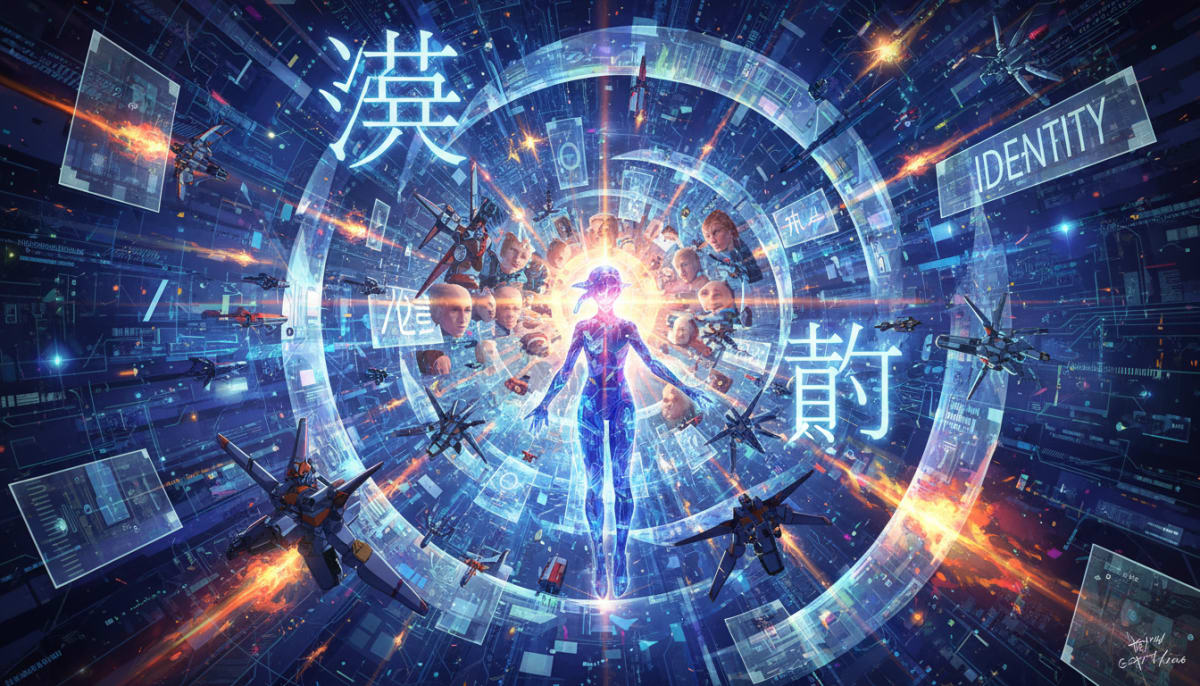
Meikyū no Shiori: Complete Guide to Shōji Kawamori's 2026 Anime Film
Macross creator Shōji Kawamori brings a new original film on January 1, 2026, exploring technology and identity. Meikyū no Shiori (English title: Labyrinth or Shiori of the Labyrinth) is Kawamori's first-ever original feature-length animated film not based on an existing franchise he previously created, representing a fresh creative endeavor and a landmark moment for fans who have followed his franchise work for decades. This comprehensive 2,500+ word guide covers everything you need to know about Meikyū no Shiori, from Shōji Kawamori's legendary legacy to detailed character profiles, visual style analysis, and how this film explores modern themes of digital identity.
Whether you're a longtime fan of Kawamori's work like Macross and The Vision of Escaflowne or new to his storytelling, this guide provides essential context, detailed previews, and expert insights into what makes this film special. We'll explore Kawamori's contributions to anime, the confirmed production details, the digital labyrinth concept, and why this film represents an evolution of his storytelling to fit current anime trends and social issues related to technology. This is your complete resource for understanding why Meikyū no Shiori is being called one of the most anticipated anime films of 2026.
Why Meikyū no Shiori Matters: A Legendary Creator's First Original Film
Meikyū no Shiori represents a significant milestone in Shōji Kawamori's career—his first original feature-length animated film not based on an existing franchise. The film integrates his signature themes with a modern twist, using smartphones to explore identity in a digital age. It has the potential to appeal to Kawamori's long-standing fanbase and a new, younger audience interested in sci-fi thrillers and themes of digital identity, with its high-concept, emotionally direct approach making it a notable entry in the 2026 anime film market.
For longtime fans, this film offers Kawamori's return to an original project after a long focus on franchise work, with expectations high for a unique sci-fi narrative and interesting mechanical (or tech-related) designs, as well as the integration of music. For newcomers, the film provides an accessible entry point to one of anime's most influential creators, with a story that resonates with contemporary concerns about technology and identity. This is more than just another anime film—it's a landmark work from a legendary creator exploring new creative territory.
Quick Navigation
Click to jump directly to a section:
- 1. Shōji Kawamori's Legacy: Macross Creator & Anime Visionary
- 2. Film Overview: Plot, Digital Labyrinth & Story Elements
- 3. Release Information: January 1, 2026 Premiere & Format
- 4. Character Analysis: Shiori Maezawa & Supporting Cast
- 5. Visual Style & Animation: Digital Labyrinth Visualization
- 6. Themes & Philosophy: Technology, Identity & Digital Age
- 7. Production Details: Studio, Staff & Music
- 8. Where to Watch: Theater Locations & Streaming Predictions
- 9. FAQ: Common Questions
- 10. Future Outlook: Film Impact & Potential Series
1. Shōji Kawamori's Legacy: Macross Creator & Anime Visionary
Before diving into Meikyū no Shiori, it's essential to understand Shōji Kawamori's legendary legacy and why his first original film is so significant.
Who is Shōji Kawamori?
Shōji Kawamori is a legendary Japanese anime creator, director, and mecha designer known for his visionary ideas, distinctive artistic style, and significant contributions to the sci-fi and mecha genres. He joined Studio Nue as a part-time designer while still a student and quickly established himself with his innovative concepts. Kawamori is often praised for his ability to fuse complex mechanical designs with compelling narratives that explore themes of communication, identity, and love triangles. He serves as the second chairman of the Anime Tourism Association, following Yoshiyuki Tomino.
Kawamori's Relationship to Macross
Kawamori is one of the original minds behind the Macross franchise. He created the original concept and the iconic variable fighter mecha designs, such as the VF-1 Valkyrie, which can transform between a fighter jet and a humanoid robot. He has served in various key roles across the franchise, including director, screenwriter, and mecha designer, and his vision for Macross has consistently woven together "song, sci-fi, and love triangles." The franchise is highly influential for its groundbreaking integration of music and romance into the mecha genre.
Other Famous Works
Besides Macross, Kawamori's notable works include:
- The Vision of Escaflowne: A fantasy anime where he contributed as an original creator, screenwriter, and mecha designer
- Aquarion franchise: Another mecha series where he served as a director and creator, known for its combining robot elements
- Macross Frontier: A modern installment in the Macross series, where he directed the theatrical film adaptations
- Variable Fighter Designs: He has designed mecha for numerous other series, including Fighting General Daimos and Diaclone (which later influenced the Transformers franchise)
Kawamori's Style and Approach
Kawamori's work is distinctive for several reasons:
- Themes: He commonly explores identity, communication, the future of technology, and the intersection of music, culture, and conflict
- Storytelling: His approach often blends sci-fi with emotional narratives, often incorporating "pop, slightly horror-tinged" elements in his latest work
- Character Development: His stories often feature dramatic conflicts and character arcs, frequently involving love triangles, as characters navigate complex situations and personal growth
Why This New Film is Significant
Meikyū no Shiori is Kawamori's first-ever original feature-length animated film not based on an existing franchise he previously created. This represents a fresh creative endeavor and a landmark moment for fans who have followed his franchise work for decades. The film is important because it integrates his signature themes with a modern twist, using smartphones to explore identity in a digital age. It represents an evolution of his storytelling to fit current anime trends and social issues related to technology.
2. Film Overview: Plot, Digital Labyrinth & Story Elements
Meikyū no Shiori is an otherworldly escape story with "pop" and "slightly" horror elements, exploring the relationship between technology and identity in the modern digital age.
The Main Plot
Shiori Maezawa, an ordinary high school girl, finds herself trapped in a deserted, parallel version of Yokohama after her smartphone breaks. In the real world, a stylish, chaotic "other self" (SHIORI@Revolution) uses Shiori's social media accounts to cause trouble and attempts to replace the real Shiori. The protagonist must navigate the "digital labyrinth" to stop her doppelganger and escape back to reality.
Shiori's main goal is to escape the labyrinth and stop her other self from taking over her life. She faces challenges within the strange digital world, encountering mysterious figures and bizarre creatures while dealing with the actions of her alternate self. The story is centered on Shiori's personal growth as she must confront her "other self" and the challenges in the labyrinth.
The Digital Labyrinth Concept
The "digital labyrinth" is a parallel world inside the protagonist's broken smartphone, depicted as an empty version of Yokohama. The concept began with the idea of smartphones as an "other self" or a vessel holding personal data and history. The film visually represents this internal digital space as a maze that the protagonist must escape, where feelings explode as emojis fly.
The digital labyrinth is visualized as a deserted, parallel version of Yokohama, the setting of the story. It is animated to feel eerie and surreal, moving beyond a simple "game environment" trope. Visual techniques likely include CGI (as Sanzigen is a 3D animation studio), utilizing unique atmospheric lighting (possibly with a red gel atmosphere in some areas) to create an otherworldly feel of isolation and anxiety.
The Setting
The story takes place in modern-day Yokohama, Japan, but switches between the real world and a deserted, parallel digital version within the smartphone. The world of the labyrinth is a slightly horror-tinged setting featuring digital/cyber elements like talking, rabbit-shaped stickers and airborne creatures. The film references the isekai (another world) genre trope but subverts it by placing the alternate reality inside a smartphone.
Key Story Elements
Major plot points include:
- An ordinary high school girl, Shiori, breaks her phone and gets trapped in a parallel Yokohama
- A doppelganger appears in the real world
- Her encounter with the entrepreneur Suguru Kagami and the rabbit character Komori helps her navigate the situation and introduces a "plan"
Mysteries include: Who created this labyrinth? What is the doppelganger's true goal? What are Suguru Kagami's true intentions? The dramatic clash between the two versions of the same protagonist will likely lead to significant character arcs related to identity and self-discovery.
3. Release Information: January 1, 2026 Premiere & Format
The film has been officially confirmed and announced. The announcement was made on July 2, 2025, and official statements from Shōji Kawamori and the production team have been released.
Release Date
The confirmed release date for Meikyū no Shiori in Japanese theaters is January 1, 2026. The film has also had its Asian premiere at the 38th Tokyo International Film Festival (TIFF) in October 2025, and it screened at Scotland Loves Anime in late 2025. The primary release date is January 1, 2026 (JST) in Japanese theaters.
Format
It is an original feature-length animated film with a runtime of 1 hour and 55 minutes (115 minutes). The animation production is handled by the studio Sanzigen, known for their work on BanG Dream!, suggesting it utilizes CGI anime techniques. The film is screening with Japanese audio and English subtitles at international festivals.
Creative Team
The main creative team includes:
- Director: Shōji Kawamori
- Animation Studio: Sanzigen
- Screenplay: Taichi Hashimoto
- Character Designs: Risa Ebata
- Music: yonkey
- Art Directors: Hiroshi Morikawa and Itsuki Ōishi
- Mechanical Designer: Shōji Kawamori (credited with mechanical design, though the film is less mecha-focused)
- Original Story Concept/Planning: Slow Curve, Vector Vision, GAGA, and Fuji Television
Promotional Materials
Several promotional materials have been released:
- Teaser Trailers/PVs: Multiple teaser trailers and main trailers have been unveiled on platforms like YouTube
- Key Visuals: Official teaser and main visuals showing Shiori being sucked into her phone have been released
- Interviews: Interview footage with the voice cast has been released
- Theme Song: The theme song is "Sailor, Sail On" performed by the pop group Atarashii Gakko!
4. Character Analysis: Shiori Maezawa & Supporting Cast
Meikyū no Shiori features a cast of characters that explore themes of identity, technology, and the relationship between our real and digital selves.
Shiori Maezawa (Main Character)
Shiori Maezawa (voiced by Suzuka of Atarashii Gakko! in her voice acting debut) is an ordinary, somewhat introverted high school girl. She gets trapped in the digital world and must escape to reclaim her identity from her alternate self. Shiori is initially described as a shy student, and the story is centered on her personal growth as she must confront her "other self" and the challenges in the labyrinth.
SHIORI@Revolution (Doppelganger)
SHIORI@Revolution is Shiori's doppelganger who is vibrant, stylish, and free-spirited, acting independently in the real world. She uses Shiori's social media accounts to cause trouble and attempts to replace the real Shiori. The central conflict is between Shiori and her doppelganger SHIORI@Revolution, with the dramatic clash between the two versions of the same protagonist leading to significant character arcs related to identity and self-discovery.
Supporting Characters
The supporting cast includes:
- Komori: A talking character who appears as a rabbit-shaped sticker (voiced by Taizo Harada), who helps Shiori navigate the labyrinth
- Suguru Kagami: A young, ambitious university student and entrepreneur researching direct brain-smartphone connections (voiced by Takuto Teranishi), whose true intentions remain mysterious
- Kirara Kurashina (or Nozomi Kurashina): Shiori's best friend (voiced by Aoi Itō)
- Kento Yamada: A character played by Jun Saitō
- Shiori's parents: Keizo Maezawa (voiced by Show Hayami) and Yoriko Maezawa (voiced by Maaya Sakamoto)
Character Designs
The character designs are provided by Risa Ebata, known for her work on Macross Frontier and AKB0048. The designs are likely contemporary yet distinctive, with SHIORI@Revolution having a particularly flashy and fashionable style compared to the ordinary Shiori. The character designs are handled by Risa Ebata (Macross Frontier), known for her appealing and detailed character work.
Character Relationships
Friendships and alliances include Shiori and Kirara as best friends, and Shiori forming alliances with Komori and Kagami within the labyrinth. The central conflict is between Shiori and her doppelganger SHIORI@Revolution. There's also the mystery of Kagami's true intentions. The film is confirmed to include elements of love triangles, a common theme in Kawamori's works, though specific pairings are not detailed yet.
5. Visual Style & Animation: Digital Labyrinth Visualization
The film has a distinctive art direction that blends a contemporary setting with surreal, "pop-colored, slightly horror-tinged" visuals, creating a unique visual experience.
Visual Style
The film has a distinctive art direction that blends a contemporary setting with surreal, "pop-colored, slightly horror-tinged" visuals. Character designs are handled by Risa Ebata (Macross Frontier), known for her appealing and detailed character work. The overall visual palette in the "digital labyrinth" is expected to be unique, featuring elements like flying emojis and a deserted city atmosphere, distinguishing it from Kawamori's previous mecha-heavy works.
Digital Labyrinth Visualization
The digital labyrinth is visualized as a deserted, parallel version of Yokohama, the setting of the story. It is animated to feel eerie and surreal, moving beyond a simple "game environment" trope. Visual techniques likely include CGI (as Sanzigen is a 3D animation studio), utilizing unique atmospheric lighting (possibly with a red gel atmosphere in some areas) to create an otherworldly feel of isolation and anxiety.
The concept began with the idea of smartphones as an "other self" or a vessel holding personal data and history. The film visually represents this internal digital space as a maze that the protagonist must escape, where feelings explode as emojis fly. This creates a unique visual metaphor for the digital age and our relationship with technology.
Animation Quality
The animation is produced by Sanzigen, a studio known for high-quality 3D CGI animation (BanG Dream! franchise, Argonavis from BanG Dream!, The Witcher: Nightmare of the Wolf VFX support). The expected quality is high, with detailed character designs and dynamic visual effects, likely leveraging the studio's expertise in creating visually complex, engaging sequences. They were likely chosen for their expertise in creating stylish and dynamic CG visuals that can handle the unique look of the digital labyrinth.
Production Approach
The film is an original project produced by multiple companies (Slow Curve, Vector Vision, GAGA, Fuji Television), with Slow Curve handling planning and general production duties. The budget information is not publicly detailed, but the production approach is unique in that it's Kawamori's first original, non-franchise feature film, allowing him to explore a modern, smartphone-centric concept.
6. Themes & Philosophy: Technology, Identity & Digital Age
Meikyū no Shiori explores profound themes about technology, identity, reality, and the digital age, maintaining Kawamori's signature approach while addressing contemporary concerns.
Technology & Identity
The core idea is that smartphones are "another self" that accumulate personal data and history, raising questions about how technology defines us. The film explores the relationship between our real selves and our online personas, with the doppelganger SHIORI@Revolution representing the digital identity that can take on a life of its own. This theme is highly relevant in an age where social media and digital presence play such a significant role in our lives.
Reality vs. Digital Existence
The story focuses on the clash between Shiori Maezawa's real self and her online persona/doppelganger SHIORI@Revolution. The film raises questions about what constitutes "reality" in a digital age. It asks: Does our digital "other self" have a separate existence? How much of our identity is tied to our online presence and data? What happens when the digital world starts to take over the physical one?
Anxiety & Escapism
The deserted labyrinth setting and "slightly horror-tinged" elements capture digital anxiety and the consequences of escapism into online worlds. The film explores the potential dangers of losing oneself in the digital realm, with the labyrinth serving as both a physical and metaphorical space where Shiori must confront her relationship with technology and her own identity.
Core Message
The core message of Meikyū no Shiori seems to be about the importance of authentic selfhood and the potential dangers of losing oneself in the digital realm. It promotes values of self-discovery and navigating the complexities of modern communication and social media. The film is described as emotional, focusing on the father-daughter dynamic and loneliness, adding depth to the exploration of identity and connection.
Comparison to Kawamori's Previous Works
The film integrates themes present in his previous works—sci-fi, music, and love triangles—but applies a modern twist using smartphones. While Macross deals with communication between species and Aquarion explores emotional synergy, Meikyū no Shiori focuses inward on personal identity and the modern digital self, making the themes more relevant to contemporary youth. Thematic connections include the prominent use of music ("song, sci-fi, and love triangles") as a narrative device and Risa Ebata as a character designer. It is a standalone work, separate from the Macross or Aquarion universes, and features no transforming mecha.
7. Production Details: Studio, Staff & Music
The film brings together a talented creative team, combining Kawamori's vision with Sanzigen's animation expertise and contemporary music integration.
Animation Studio: Sanzigen
The animation studio is Sanzigen. They are known for their high-quality 3D CG animation work on franchises such as BanG Dream!, Argonavis, and The Witcher: Nightmare of the Wolf (VFX support). They were likely chosen for their expertise in creating stylish and dynamic CG visuals that can handle the unique look of the digital labyrinth. The studio's experience with contemporary, visually complex projects makes them an ideal fit for Kawamori's modern take on digital identity.
Key Staff Members
The key staff members include:
- Director: Shōji Kawamori
- Screenplay: Taichi Hashimoto
- Character Designer: Risa Ebata
- Music Composer: yonkey
- Art Directors: Hiroshi Morikawa and Itsuki Ōishi
- Mechanical Designer: Shōji Kawamori (credited with mechanical design, though the film is less mecha-focused)
Music
The music is composed by yonkey. The style incorporates a pop entertainment feel, with the theme song "Sailor, Sail On" performed by the actual cast member Suzuka's pop group Atarashii Gakko!. This integration of pop music with the narrative is a clear parallel to the music-centric Macross franchise, maintaining Kawamori's signature approach of using music as a narrative device while adapting it for a contemporary setting.
8. Where to Watch: Theater Locations & Streaming Predictions
The film premiered at film festivals (like the Tokyo International Film Festival and Scotland Loves Anime in late 2025) and is set for a general release in Japanese theaters on January 1, 2026.
Theater Release
The confirmed release date for Meikyū no Shiori in Japanese theaters is January 1, 2026. The film has a runtime of 115 minutes and is screening with Japanese audio and English subtitles at international festivals. Southeast Asia release is confirmed for 2026.
International Availability
International availability for streaming platforms or further theatrical release is expected but not fully detailed yet. Given the film's festival screenings and international production involvement, it is likely to receive broader international distribution. The film has been screened at major festivals like the Tokyo International Film Festival and Scotland Loves Anime, indicating strong international interest.
Expected Platforms
Given the film's production by multiple companies including GAGA and Fuji Television, and its festival presence, it is likely to be available on major streaming platforms after its theatrical run. Potential platforms include Crunchyroll, Netflix, and other regional streaming services depending on licensing agreements. The film's contemporary themes and Kawamori's name recognition make it an attractive property for international streaming.
9. FAQ: Common Questions
Q1: When does Meikyū no Shiori release?
A: The confirmed release date for Meikyū no Shiori in Japanese theaters is January 1, 2026. The film has also had its Asian premiere at the 38th Tokyo International Film Festival (TIFF) in October 2025.
Q2: Who is Shōji Kawamori?
A: Shōji Kawamori is a legendary Japanese anime creator, director, and mecha designer known for creating Macross, The Vision of Escaflowne, and the Aquarion franchise. This is his first original feature-length animated film not based on an existing franchise.
Q3: What is Meikyū no Shiori about?
A: The film follows Shiori Maezawa, an ordinary high school girl who gets trapped in a digital labyrinth inside her broken smartphone. Her doppelganger, SHIORI@Revolution, attempts to replace her in the real world, and Shiori must escape the labyrinth to reclaim her identity.
Q4: What is the "digital labyrinth"?
A: The digital labyrinth is a parallel world inside the protagonist's broken smartphone, depicted as an empty version of Yokohama. It represents the concept of smartphones as an "other self" holding personal data and history.
Q5: Who are the main characters?
A: The main character is Shiori Maezawa (voiced by Suzuka of Atarashii Gakko!), an ordinary high school girl. Supporting characters include her doppelganger SHIORI@Revolution, the rabbit character Komori, entrepreneur Suguru Kagami, and Shiori's best friend Kirara Kurashina.
Q6: What animation studio is producing it?
A: The animation is produced by Sanzigen, known for their high-quality 3D CG animation work on BanG Dream! and Argonavis.
Q7: What is the theme song?
A: The theme song is "Sailor, Sail On" performed by Atarashii Gakko!, the pop group of Suzuka, who voices the main character Shiori.
Q8: How long is the film?
A: The film has a runtime of 1 hour and 55 minutes (115 minutes).
Q9: Where can I watch it?
A: The film will premiere in Japanese theaters on January 1, 2026. International availability for streaming platforms or further theatrical release is expected but not fully detailed yet. Southeast Asia release is confirmed for 2026.
Q10: How does it relate to Macross?
A: While it shares thematic connections (music, sci-fi, love triangles) and features Risa Ebata as character designer (who worked on Macross Frontier), Meikyū no Shiori is a standalone work, separate from the Macross universe, and features no transforming mecha.
10. Future Outlook: Film Impact & Potential Series
Meikyū no Shiori represents a significant moment for both Shōji Kawamori's career and the anime film industry, potentially influencing how technology and identity are explored in future works.
Film Impact
The film has potential to appeal to Kawamori's long-standing fanbase and a new, younger audience interested in sci-fi thrillers and themes of digital identity. Its high-concept, emotionally direct approach could make it a notable entry in the 2026 anime film market. The film's exploration of contemporary themes related to technology and social media makes it highly relevant to modern audiences.
Cultural Significance
It is important for Shōji Kawamori's legacy as his first original feature film. It represents an evolution of his storytelling to fit current anime trends and social issues related to technology. The unique blend of Kawamori's signature themes with modern technology creates a work that bridges his classic approach with contemporary concerns.
Potential for Series
While the film is currently a standalone feature, its high-concept premise and character development could potentially lead to expanded content. However, as Kawamori's first original film, it is designed as a complete, self-contained narrative. The film's success and reception will likely determine any future developments.
Fan Reception
Fans of Kawamori are excited about the director returning to an original project after a long focus on franchise work. Expectations are high for a unique sci-fi narrative and interesting mechanical (or tech-related) designs, as well as the integration of music. The casting of pop group members has also generated interest, and the film's contemporary themes resonate with audiences concerned about digital identity and technology's impact on our lives.
Conclusion: Why Meikyū no Shiori Matters
Meikyū no Shiori represents a landmark moment in Shōji Kawamori's legendary career—his first original feature-length animated film. By exploring contemporary themes of technology, identity, and digital existence through the lens of a smartphone-based digital labyrinth, the film bridges Kawamori's signature storytelling approach with modern concerns. The combination of his visionary direction, Sanzigen's acclaimed animation, and contemporary music integration creates a film with tremendous potential.
Whether you're a longtime fan of Kawamori's work or new to his storytelling, Meikyū no Shiori offers an opportunity to experience a fresh creative vision from one of anime's most influential creators. With its exploration of digital identity, the relationship between our real and online selves, and the potential dangers of losing oneself in the digital realm, this film promises to be both thought-provoking and visually stunning.
Mark your calendars for January 1, 2026, and prepare for a film that explores the digital age through the eyes of a legendary creator. This is Shōji Kawamori's first original film, and it's ready to take audiences on a journey through the digital labyrinth of modern identity. The legendary creator is back with a new vision, and it's one that speaks directly to our relationship with technology in the 21st century.