
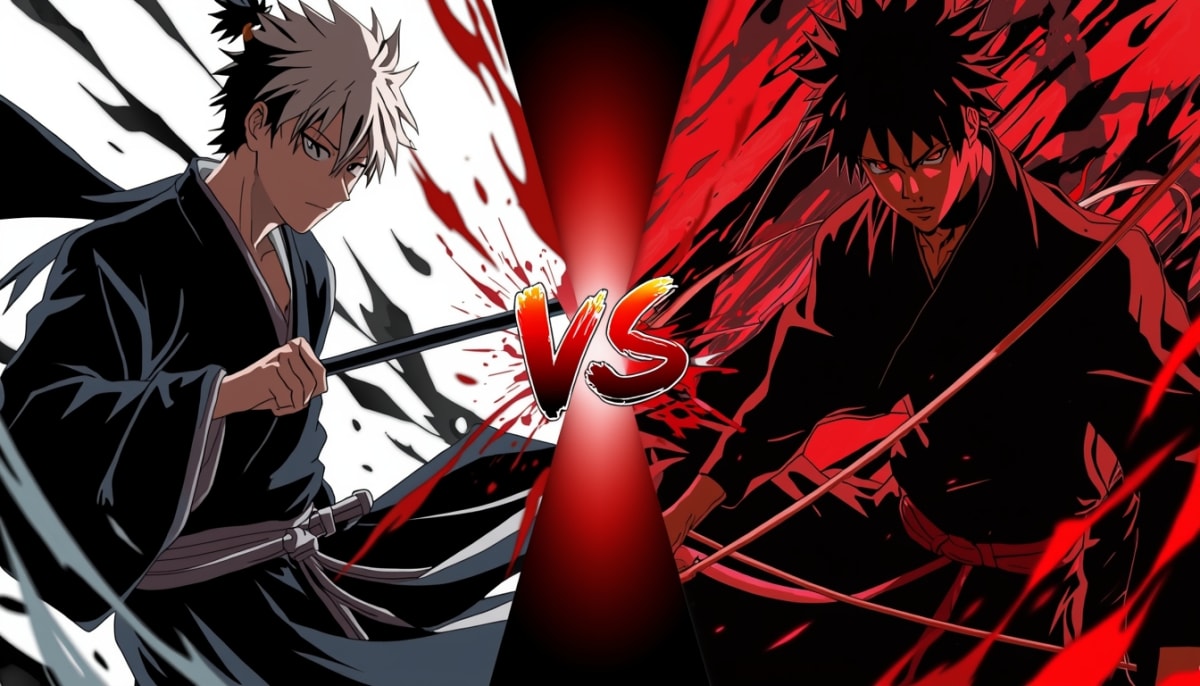
Jujutsu Kaisen vs Demon Slayer: Complete Comparison 2026 | Which is Better?
Jujutsu Kaisen and Demon Slayer are two of anime's biggest hits, dominating the shonen genre and capturing audiences worldwide. Both series feature stunning animation, compelling characters, and intense action, but they approach storytelling in distinctly different ways. This comprehensive 3,500+ word comparison breaks down every aspect of both series to help you decide which one to watch—or understand why both are worth your time.
Whether you're new to anime and trying to choose your next series, or a seasoned fan looking to understand what makes each series special, this detailed comparison covers animation quality, story structure, character development, power systems, themes, fight choreography, and more. We'll explore what each series does best and help you determine which aligns better with your preferences.
Quick Navigation
Click to jump directly to a section:
- Overview: Both Series
- Animation & Visuals
- Story & Pacing
- Characters
- Power Systems
- Themes & Depth
- Fight Scenes
- Popularity & Impact
- Who Should Watch What
- FAQ: Common Comparison Questions
- Final Verdict
Overview: Both Series Summarized
Before diving into the detailed comparison, let's establish what each series is about and why this comparison matters.
Jujutsu Kaisen: The Modern Cursed World
Jujutsu Kaisen follows Yuji Itadori, a high school student who becomes a Jujutsu Sorcerer after swallowing a cursed object containing the powerful Sukuna. The series is set in modern-day Japan where cursed energy from negative human emotions creates dangerous curses that only sorcerers can fight. With its dark tone, complex power system, and morally gray characters, Jujutsu Kaisen has become known for its mature themes and unpredictable storytelling.
The series is animated by MAPPA and written by Gege Akutami. It combines horror elements with shonen action, creating a unique atmosphere that feels both contemporary and supernatural. Jujutsu Kaisen emphasizes strategy, teamwork, and the psychological toll of fighting curses.
Demon Slayer: The Taisho-Era Demon Hunt
Demon Slayer follows Tanjiro Kamado, a kind-hearted boy who becomes a demon slayer after his family is slaughtered and his sister Nezuko is turned into a demon. Set in Taisho-era Japan, the series follows Tanjiro's quest to find a cure for Nezuko while fighting demons and protecting humanity. With its emotional storytelling, beautiful animation, and focus on family bonds, Demon Slayer has become a cultural phenomenon.
The series is animated by Ufotable and written by Koyoharu Gotouge. It combines historical setting with supernatural elements, creating a visually stunning experience that emphasizes emotion, perseverance, and the power of human connection. Demon Slayer is known for its accessibility and universal appeal.
Why This Comparison Matters
Both series represent the peak of modern shonen anime, but they appeal to different sensibilities. Understanding their differences helps viewers choose what to watch based on their preferences, and appreciating both helps understand the diversity and strength of the current anime landscape. This comparison isn't about declaring a winner, but about understanding what makes each series special and who might enjoy each one more.
Animation & Visuals: Studio Comparison
Both Jujutsu Kaisen and Demon Slayer feature exceptional animation, but they achieve their visual excellence through different approaches and styles.
Jujutsu Kaisen: MAPPA's Dynamic Action
Jujutsu Kaisen is animated by MAPPA, known for their dynamic action sequences and modern animation techniques. The series features fluid character movements, detailed backgrounds, and creative use of cursed energy effects. MAPPA's style emphasizes motion and impact, creating fight scenes that feel visceral and intense.
The art style is more grounded and realistic compared to Demon Slayer, with character designs that feel contemporary. The animation excels in fast-paced combat, with smooth choreography that emphasizes the strategic nature of jujutsu battles. MAPPA uses digital effects creatively to represent cursed energy, creating a distinct visual language for the series' power system.
Fight scenes in Jujutsu Kaisen are characterized by their intensity and strategic complexity. The animation supports the series' emphasis on technique and teamwork, with clear visual communication of power levels and abilities. The series maintains consistent quality throughout, with particularly impressive work in major battles.
Demon Slayer: Ufotable's Visual Mastery
Demon Slayer is animated by Ufotable, renowned for their exceptional visual quality and attention to detail. The series features some of the most beautiful animation in anime history, with stunning water effects, dynamic camera work, and breathtaking fight choreography. Ufotable's style emphasizes beauty and spectacle, creating moments that are visually unforgettable.
The art style is more stylized and colorful, with character designs that feel both historical and fantastical. The animation excels in creating atmosphere, with beautiful backgrounds and environmental effects that enhance the emotional impact of scenes. Ufotable uses their signature digital compositing to create seamless integration of 2D and 3D elements.
Fight scenes in Demon Slayer are characterized by their visual spectacle and emotional weight. The animation supports the series' emphasis on emotion and determination, with stunning visual effects for breathing techniques that feel both beautiful and powerful. The series has set new standards for animation quality, particularly in its movie and later season adaptations.
Which Has Better Animation?
This is perhaps the most debated aspect of the comparison. Demon Slayer generally has higher peak moments—scenes that are visually breathtaking and technically impressive. Ufotable's work on the movie "Mugen Train" and later seasons represents some of the best animation in anime history.
However, Jujutsu Kaisen maintains more consistent quality throughout, with fewer noticeable dips in animation quality. MAPPA's work is consistently strong, and the series' action sequences are always well-animated, even if they don't reach the same peaks as Demon Slayer's best moments.
Verdict: Demon Slayer has higher peaks and more visually spectacular moments, making it the winner for pure visual spectacle. However, Jujutsu Kaisen offers more consistent quality and excels in different ways, particularly in its dynamic action choreography. Both are exceptional, but Demon Slayer's visual mastery gives it a slight edge in this category.
Story & Pacing: Plot Comparison
The narrative approaches of Jujutsu Kaisen and Demon Slayer differ significantly, each serving different storytelling goals and audience preferences.
Jujutsu Kaisen: Complex and Unpredictable
Jujutsu Kaisen features a more complex narrative structure with multiple plot threads, morally gray characters, and unpredictable developments. The story doesn't follow a traditional linear progression, instead jumping between different characters and storylines. This creates a sense of a larger world where events happen simultaneously and consequences ripple outward.
The pacing is faster and more intense, with less downtime between major events. The series doesn't spend much time on slice-of-life moments, instead maintaining a sense of urgency and danger. This approach creates a more intense viewing experience but can feel overwhelming for some viewers.
The plot structure is more complex, with the series exploring multiple themes simultaneously: the nature of curses, the corruption within the jujutsu world, the psychological toll of being a sorcerer, and the moral ambiguity of fighting evil. The story doesn't provide easy answers, instead presenting complex situations that challenge both characters and viewers.
Demon Slayer: Emotional and Focused
Demon Slayer features a more straightforward narrative structure with a clear goal: Tanjiro must find a cure for Nezuko and defeat Muzan. The story follows a more traditional shonen progression, with Tanjiro growing stronger and facing increasingly powerful enemies. This creates a sense of progression and achievement that's satisfying and easy to follow.
The pacing is more balanced, with time for character development, emotional moments, and world-building between action sequences. The series knows when to slow down and let moments breathe, creating a more varied viewing experience. This approach makes the series more accessible and emotionally resonant.
The plot structure is simpler but more focused, with the series exploring themes of family, perseverance, and empathy through Tanjiro's journey. The story provides clear emotional beats and character arcs, making it easier to become invested in the characters and their goals.
Which Has Better Story & Pacing?
This depends on what you value in storytelling. Jujutsu Kaisen offers more complexity and unpredictability, appealing to viewers who enjoy intricate plots and moral ambiguity. However, its faster pacing and complex structure can be overwhelming and may require more attention to fully appreciate.
Demon Slayer offers more emotional resonance and accessibility, appealing to viewers who enjoy clear character arcs and emotional storytelling. Its balanced pacing makes it easier to follow and more consistently engaging, even if it's less complex.
Verdict: Demon Slayer wins for emotional storytelling and accessibility, while Jujutsu Kaisen wins for complexity and unpredictability. For most viewers, Demon Slayer's focused, emotional narrative will be more satisfying, but Jujutsu Kaisen offers more for viewers seeking complex, morally gray storytelling.
Characters: Main Cast & Development
Both series feature memorable characters, but they approach character development and ensemble casts differently.
Jujutsu Kaisen: Complex and Morally Gray
Jujutsu Kaisen features a large ensemble cast with complex motivations and moral ambiguity. Yuji Itadori is a compelling protagonist who struggles with the weight of his power and the consequences of his actions. However, the series doesn't focus solely on him, instead developing multiple characters simultaneously.
The supporting cast is diverse and well-developed, with characters like Megumi Fushiguro, Nobara Kugisaki, Satoru Gojo, and others each having distinct personalities and arcs. The series excels at creating characters who feel real and complex, with flaws and motivations that aren't always clear-cut.
Character development in Jujutsu Kaisen is more subtle and psychological. Characters grow through their experiences and relationships, but the series doesn't always make this growth explicit. The focus is more on how characters respond to situations and how their worldviews evolve, rather than on clear character arcs.
The series also features compelling antagonists who aren't simply evil, but have their own motivations and philosophies. This creates more interesting conflicts and moral questions, making the series more thought-provoking.
Demon Slayer: Emotional and Relatable
Demon Slayer features a smaller, more focused cast with clear character arcs and emotional development. Tanjiro Kamado is an exceptionally well-written protagonist whose kindness, determination, and empathy make him immediately likable and easy to root for. His relationship with Nezuko is the emotional core of the series.
The supporting cast, while smaller, is memorable and well-developed. Characters like Zenitsu, Inosuke, and the Hashira each have distinct personalities and satisfying character arcs. The series excels at creating characters who are easy to care about and whose growth feels meaningful.
Character development in Demon Slayer is more explicit and emotional. Characters grow through clear arcs that are tied to the story's themes, making their development satisfying and easy to follow. The focus is on emotional growth and personal strength, which resonates strongly with viewers.
The series also features compelling antagonists, but they're more clearly defined as villains. However, the series does explore their backstories and motivations, creating empathy even for the demons while maintaining clear moral lines.
Which Has Better Characters?
This is another area where both series excel in different ways. Jujutsu Kaisen offers more complex, morally gray characters that feel more realistic and thought-provoking. The series creates a sense of a larger world with many interesting characters, even if individual character arcs are less explicit.
Demon Slayer offers more emotionally resonant characters with clearer arcs and stronger emotional connections. The series creates characters who are easier to care about and whose growth feels more satisfying, even if they're less complex.
Verdict: Demon Slayer wins for emotional resonance and character arcs, while Jujutsu Kaisen wins for complexity and moral ambiguity. For most viewers, Demon Slayer's characters will be more memorable and emotionally satisfying, but Jujutsu Kaisen offers more depth for viewers seeking complex character writing.
Power Systems: Cursed Energy vs Breathing Styles
Both series feature unique power systems that define how characters fight and grow, but they approach power systems very differently.
Jujutsu Kaisen: Cursed Energy System
Jujutsu Kaisen's power system is based on Cursed Energy, a complex system with multiple components: Cursed Energy itself, Cursed Techniques, Domain Expansions, and more. The system is intricate and strategic, with rules that create interesting tactical battles.
The system emphasizes strategy and technique over raw power. Characters must understand their abilities, their opponents' abilities, and how to use their techniques effectively. This creates battles that are more like puzzles, where victory comes from clever use of abilities rather than simply being stronger.
The complexity of the system allows for creative and unique abilities. Each character has distinct Cursed Techniques that reflect their personality and fighting style, creating variety and strategic depth. The system also has clear limitations and costs, preventing power escalation from becoming meaningless.
However, the system's complexity can be overwhelming. New concepts are introduced regularly, and understanding all the rules requires attention and sometimes re-watching. This can make the series less accessible but more rewarding for viewers who enjoy complex power systems.
Demon Slayer: Breathing Styles
Demon Slayer's power system is based on Breathing Styles, techniques that allow demon slayers to enhance their physical abilities and fight demons. The system is simpler and more intuitive, with clear visual representation through the breathing techniques' effects.
The system emphasizes emotion, determination, and personal growth over complex mechanics. Characters grow stronger through training and emotional development, with their breathing techniques reflecting their personality and growth. This creates a more accessible system that's easy to understand and emotionally resonant.
The simplicity of the system allows for clear visual storytelling. Each breathing style has distinct visual effects that make battles easy to follow and visually spectacular. The system also creates clear progression, with characters learning new forms and techniques as they grow.
However, the system's simplicity means less strategic depth. Battles are more straightforward, with victory coming from determination and growth rather than complex strategy. This makes the series more accessible but less intellectually engaging for viewers who enjoy complex power systems.
Which Has a Better Power System?
This depends on what you value in a power system. Jujutsu Kaisen offers more complexity and strategic depth, appealing to viewers who enjoy intricate systems and tactical battles. The system creates more varied and intellectually engaging fights, even if it requires more attention to fully appreciate.
Demon Slayer offers more accessibility and emotional resonance, appealing to viewers who enjoy clear progression and visual spectacle. The system creates more emotionally satisfying growth and easier-to-follow battles, even if it's less complex.
Verdict: Jujutsu Kaisen wins for complexity and strategic depth, while Demon Slayer wins for accessibility and emotional resonance. For most viewers, Demon Slayer's simpler system will be more enjoyable, but Jujutsu Kaisen offers more for viewers seeking complex, strategic power systems.
Themes & Depth: Maturity and Meaning
Both series explore meaningful themes, but they approach depth and maturity differently.
Jujutsu Kaisen: Dark and Morally Complex
Jujutsu Kaisen explores darker, more complex themes including the nature of evil, the corruption of power, the psychological toll of fighting, and moral ambiguity. The series doesn't provide easy answers, instead presenting situations where right and wrong aren't clear-cut.
The series explores the nature of curses and how negative human emotions create evil, creating a more philosophical exploration of darkness and humanity. The series also examines the jujutsu world's corruption and how systems of power can become oppressive, adding social commentary to the narrative.
Character psychology is a major focus, with the series exploring how fighting curses affects sorcerers mentally and emotionally. The series doesn't shy away from showing the trauma and psychological damage that comes with being a sorcerer, creating a more mature and realistic portrayal.
The moral complexity creates more thought-provoking content, but it can also make the series less accessible and emotionally satisfying for viewers seeking clear moral frameworks.
Demon Slayer: Emotional and Universal
Demon Slayer explores more universal, emotionally resonant themes including family bonds, perseverance, empathy, and the power of kindness. The series provides clear emotional beats and moral frameworks, making its themes more accessible and emotionally satisfying.
The series explores the importance of family and how love and connection give us strength. Tanjiro's relationship with Nezuko is the emotional core, and the series consistently emphasizes how caring for others makes us stronger. This creates a more emotionally resonant and universally appealing message.
Perseverance and determination are central themes, with the series showing how hard work and never giving up lead to growth. The series also explores empathy, showing how understanding others, even enemies, creates more meaningful connections and resolutions.
The emotional clarity creates more satisfying and accessible themes, but it can also make the series feel less complex and thought-provoking for viewers seeking deeper philosophical exploration.
Which Has Better Themes & Depth?
This depends on what you value in thematic exploration. Jujutsu Kaisen offers more complexity and moral ambiguity, appealing to viewers who enjoy thought-provoking, mature themes. The series creates more intellectually engaging content, even if it's less emotionally satisfying.
Demon Slayer offers more emotional resonance and universal appeal, appealing to viewers who enjoy clear, emotionally satisfying themes. The series creates more accessible and emotionally impactful content, even if it's less complex.
Verdict: Jujutsu Kaisen wins for complexity and maturity, while Demon Slayer wins for emotional resonance and accessibility. For most viewers, Demon Slayer's themes will be more satisfying and impactful, but Jujutsu Kaisen offers more for viewers seeking deeper philosophical exploration.
Fight Scenes: Choreography and Impact
Both series feature exceptional fight scenes, but they achieve their impact through different approaches.
Jujutsu Kaisen: Strategic and Intense
Jujutsu Kaisen's fight scenes emphasize strategy, teamwork, and the tactical use of abilities. Battles are like puzzles, where characters must understand their opponents' abilities and find creative ways to use their own. This creates intellectually engaging fights that reward attention and analysis.
The choreography is dynamic and fluid, with MAPPA's animation creating smooth, impactful action. The series excels at showing the physical toll of battles and the strategic thinking that goes into each fight. Fights feel intense and dangerous, with real consequences for characters.
The series also emphasizes teamwork, with many fights featuring multiple characters working together. This creates more varied and interesting fight dynamics, showing how different abilities complement each other.
Demon Slayer: Spectacular and Emotional
Demon Slayer's fight scenes emphasize visual spectacle, emotional weight, and the power of determination. Battles are visually stunning, with Ufotable's animation creating breathtaking moments that are both beautiful and impactful. The series excels at creating fights that are emotionally resonant and visually unforgettable.
The choreography is spectacular and visually creative, with breathing techniques creating stunning visual effects. The series excels at showing the emotional journey of characters during fights, with battles serving as expressions of character growth and determination.
The series also emphasizes individual growth, with fights often serving as tests of character development. This creates more emotionally satisfying fights, where victory feels earned through personal growth rather than just power.
Which Has Better Fight Scenes?
This is another area where both excel in different ways. Jujutsu Kaisen offers more strategic, intellectually engaging fights that reward analysis and attention. The series creates more varied and tactically interesting battles, even if they're less visually spectacular.
Demon Slayer offers more visually spectacular, emotionally resonant fights that are easier to enjoy and more memorable. The series creates more emotionally satisfying battles, even if they're less strategically complex.
Verdict: Demon Slayer wins for visual spectacle and emotional impact, while Jujutsu Kaisen wins for strategic depth and variety. For most viewers, Demon Slayer's fights will be more memorable and enjoyable, but Jujutsu Kaisen offers more for viewers seeking intellectually engaging battles.
Popularity & Impact: Cultural Phenomenon
Both series have achieved massive success, but they've reached different levels of cultural impact.
Jujutsu Kaisen: Modern Hit
Jujutsu Kaisen has achieved significant success, with strong manga sales, popular anime adaptation, and growing international recognition. The series has become one of the most popular modern shonen series, with a dedicated fanbase and strong critical reception.
The series has had significant impact on the anime industry, particularly in terms of animation quality and mature storytelling in shonen series. The series has also influenced discussions about power systems and character complexity in modern anime.
However, the series hasn't reached the same level of mainstream recognition as Demon Slayer, remaining more popular within anime communities than in the general public.
Demon Slayer: Cultural Phenomenon
Demon Slayer has achieved unprecedented success, breaking records for manga sales, box office performance, and cultural impact. The series has become a cultural phenomenon in Japan and internationally, reaching audiences far beyond typical anime fans.
The series has had massive impact on the anime industry, setting new standards for animation quality and proving that anime can achieve mainstream success. The series has also influenced popular culture, with characters and moments becoming widely recognized.
The series has reached a level of mainstream recognition that few anime achieve, becoming a household name and cultural touchstone.
Which Is More Popular?
Demon Slayer is clearly more popular and has had greater cultural impact. The series has achieved unprecedented success and mainstream recognition, making it one of the most successful anime of all time.
However, Jujutsu Kaisen has achieved significant success within anime communities and has a dedicated, growing fanbase. The series may not have the same mainstream recognition, but it's highly regarded among anime fans.
Verdict: Demon Slayer wins decisively for popularity and cultural impact. The series has achieved unprecedented success and mainstream recognition that Jujutsu Kaisen hasn't yet reached.
Who Should Watch What: Recommendations by Preference
Both series are excellent, but they appeal to different preferences. Here's who should watch each series:
Watch Jujutsu Kaisen If You Enjoy:
- Complex power systems: If you enjoy intricate, strategic power systems that reward analysis
- Morally gray storytelling: If you prefer complex, ambiguous narratives over clear good vs. evil
- Fast-paced action: If you want intense, consistently engaging action with less downtime
- Modern settings: If you prefer contemporary settings over historical ones
- Strategic battles: If you enjoy fights that are like puzzles requiring analysis
- Mature themes: If you want darker, more complex themes and psychological exploration
Watch Demon Slayer If You Enjoy:
- Emotional storytelling: If you prefer clear, emotionally resonant narratives with strong character arcs
- Visual spectacle: If you want the most visually stunning animation and fight scenes
- Accessible power systems: If you prefer simpler, easier-to-understand power systems
- Historical settings: If you enjoy period pieces and historical fantasy
- Family themes: If you want strong emotional bonds and family relationships as central themes
- Universal appeal: If you want something accessible that appeals to a wide audience
Watch Both If:
- You're a fan of modern shonen anime and want to experience the best the genre has to offer
- You appreciate different approaches to storytelling and want to see how different studios and creators handle similar themes
- You enjoy exceptional animation and want to see different styles of visual excellence
- You're looking for engaging, well-produced anime that represent the current peak of the medium
FAQ: Common Comparison Questions
Q1: Which series is better overall?
A: There's no definitive answer—it depends on your preferences. Demon Slayer excels in animation, emotional storytelling, and accessibility. Jujutsu Kaisen excels in complexity, strategic depth, and mature themes. Both are excellent in their own ways.
Q2: Which has better animation?
A: Demon Slayer generally has higher peak moments and more visually spectacular animation, particularly in its movie and later seasons. However, Jujutsu Kaisen maintains more consistent quality throughout. Both are exceptional.
Q3: Which has a better story?
A: Demon Slayer has a more emotionally resonant, accessible story with clear character arcs. Jujutsu Kaisen has a more complex, unpredictable story with moral ambiguity. It depends on whether you prefer emotional clarity or narrative complexity.
Q4: Which has better characters?
A: Demon Slayer has more emotionally resonant characters with clearer arcs. Jujutsu Kaisen has more complex, morally gray characters. It depends on whether you prefer emotional connection or character complexity.
Q5: Which has a better power system?
A: Jujutsu Kaisen has a more complex, strategic power system that rewards analysis. Demon Slayer has a simpler, more accessible system that's easier to understand. It depends on whether you prefer complexity or accessibility.
Q6: Which is more popular?
A: Demon Slayer is significantly more popular, with unprecedented success and mainstream recognition. Jujutsu Kaisen is very popular within anime communities but hasn't reached the same level of mainstream success.
Q7: Can I watch both?
A: Absolutely! Both series are excellent and offer different experiences. Watching both will give you a better appreciation for the diversity and quality of modern anime.
Q8: Which should I watch first?
A: If you're new to anime or prefer emotional, accessible stories, start with Demon Slayer. If you're experienced with anime and prefer complex, mature storytelling, start with Jujutsu Kaisen. Or watch both—they're both worth your time!
Final Verdict: Both Are Worth Watching
After this comprehensive comparison, the clear conclusion is that both Jujutsu Kaisen and Demon Slayer are exceptional series that represent the peak of modern shonen anime. Rather than declaring one definitively better, it's more accurate to say they excel in different areas and appeal to different preferences.
Demon Slayer wins in animation spectacle, emotional storytelling, accessibility, and cultural impact. It's the series to watch if you want visually stunning animation, emotionally resonant characters, and a story that's easy to follow and deeply moving. Its universal appeal and mainstream success speak to its quality and accessibility.
Jujutsu Kaisen wins in narrative complexity, strategic depth, mature themes, and character complexity. It's the series to watch if you want thought-provoking storytelling, intricate power systems, and morally gray characters. Its appeal to experienced anime fans speaks to its depth and sophistication.
Ultimately, the best approach is to watch both series. They offer different but equally valuable experiences, and appreciating both will give you a better understanding of what makes modern anime great. Whether you prefer emotional clarity or narrative complexity, visual spectacle or strategic depth, both series have something exceptional to offer.
In 2026, both series continue to be highly regarded and worth watching. Demon Slayer has completed its story, offering a complete, satisfying experience. Jujutsu Kaisen continues to develop, offering ongoing complexity and unpredictability. Both represent the best of what modern shonen anime has to offer, and both deserve recognition for their exceptional quality.
Last Updated: January 2026 | Based on Jujutsu Kaisen and Demon Slayer anime and manga | Next Review: As new seasons and developments are released