
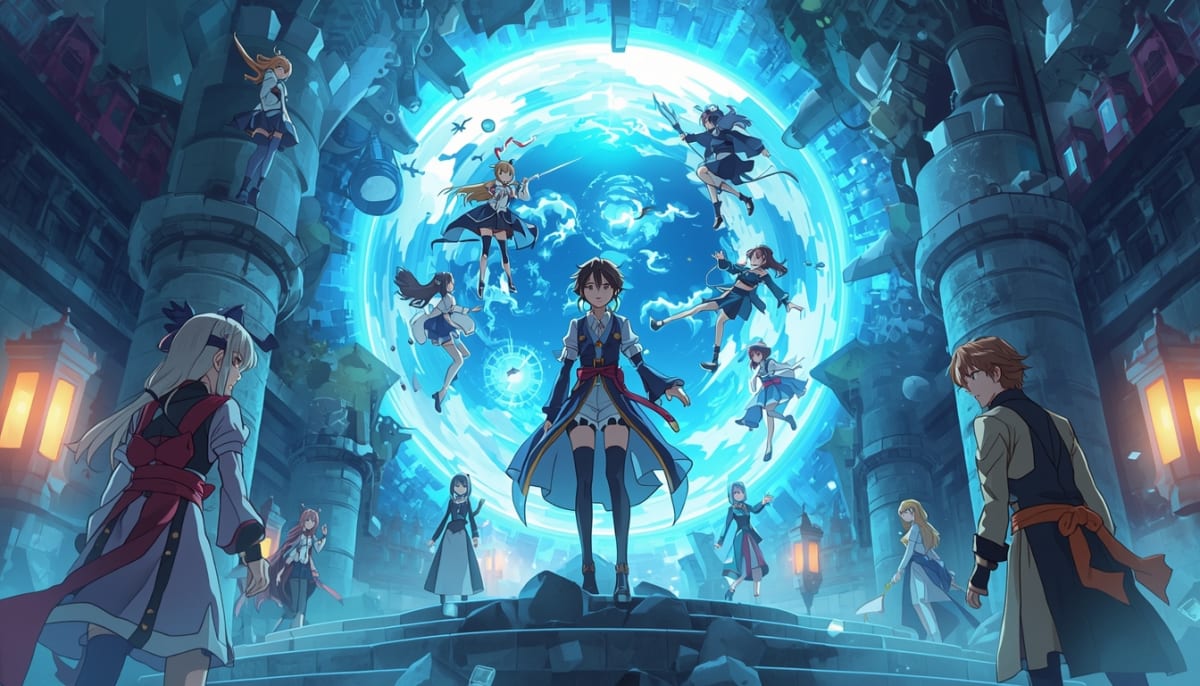
Best Isekai Anime 2026: Complete Ranking, Recommendations & Genre Guide
Isekai dominates anime. From the explosive popularity of series like Re:Zero and That Time I Got Reincarnated as a Slime to the constant stream of new releases, isekai has become one of the most prominent genres in modern anime. But with hundreds of series to choose from, which are truly worth your time? Here are the best isekai series of 2026, ranked and categorized for every taste.
This comprehensive 4,000+ word guide ranks the top 20 isekai anime, explains what makes the genre special, breaks down subgenres, explores common tropes, and provides tailored recommendations for newcomers and veterans. Whether you're just discovering isekai or looking for your next series, this guide will help you find the perfect isekai for your preferences.
Quick Navigation
Click to jump directly to a section:
- What is Isekai?
- Top 20 Isekai Rankings
- Subgenre Breakdown
- Isekai Tropes Explained
- Best for Newcomers
- Best for Veterans
- 2026 New Releases
- FAQ: Common Isekai Questions
- Future Outlook
What is Isekai? Understanding the Genre
Isekai (異世界) literally translates to "different world" or "another world" in Japanese. As a genre, it is a subcategory of fantasy fiction centered on a protagonist who is transported from their ordinary world (usually modern-day Earth) to a new, unfamiliar one. The protagonist must then survive and adapt to this new environment, which often involves magic, fantasy creatures, or video game-like mechanics.
How is Isekai Defined?
Isekai is defined by the core narrative device of moving a character from one world to another, with the character retaining memories of their past life. The Oxford English Dictionary officially added the term in March 2024, defining it as: "A Japanese genre of science or fantasy fiction featuring a protagonist who is transported to or reincarnated in a different, strange, or unfamiliar world."
The key differentiator from other fantasy genres is the protagonist's "fish out of water" perspective and their self-awareness of being in a different world. In traditional fantasy (e.g., Lord of the Rings), characters are native to the magical world, and its rules are normal to them. In isekai, the protagonist (and the audience) learns about the new world's rules and culture together.
Core Elements of Isekai
Transportation/Reincarnation: The protagonist leaves their home world, either by being magically summoned (isekai ten'i) or by dying and being reborn in the new world (isekai tensei).
A "Normal" Protagonist: The main character is typically an average person (an office worker or student) who was dissatisfied with their previous life, making their new life of adventure and power an appealing escape.
A New World: The setting is usually a fantasy realm with swords and sorcery, a virtual reality game world, or a parallel universe.
Why is Isekai So Popular?
The genre's immense popularity stems from a combination of psychological appeal, ease of world-building, and market saturation. Isekai plays on the fantasy of escapism and getting a "do-over" in life. It appeals to individuals who feel undervalued or dissatisfied with their real-world jobs and social pressures, offering a narrative where an average person can become a hero with little effort.
The primary target audience has shifted from primarily young girls (shojo) in the 90s to young boys/men (shonen/seinen) in the modern era, though female-led "villainess" isekai is also very popular. The "fish out of water" setup allows authors to introduce the new world's rules naturally through the protagonist's eyes, simplifying exposition. The power fantasy aspect provides immediate satisfaction and entertainment for viewers.
How Has Isekai Evolved?
The genre has a long history, from ancient Japanese folklore to the modern anime boom. The concept appeared in Japanese folktales like Urashima Tarō and Western literature such as Alice in Wonderland and The Wizard of Oz. The first modern Japanese examples include the novel Warrior from Another World (1979) and the anime Aura Battler Dunbine (1983).
In the 1990s, early anime like Fushigi Yûgi and Magic Knight Rayearth were often shojo-focused, featuring female protagonists summoned as "chosen ones" who might return home. The early 2000s saw the VR era with .hack//Sign and Sword Art Online popularizing the idea of being trapped in a virtual reality MMORPG.
Modern trends (post-2010s) saw the genre explode with web novels featuring male protagonists, reincarnation (often via "Truck-kun"), and overpowered "cheat" abilities. "Slow life" isekai, where characters seek a peaceful, low-stress life, has also become a prominent trend as a direct contrast to the overworked modern life. The genre has become highly diverse and self-aware, exploring niche subgenres such as villainess stories, non-human reincarnations, and stories with more mature psychological themes.
Top 20 Isekai Rankings: The Best of the Genre
Here are the top 20 isekai anime ranked by quality, impact, and overall appeal. Each entry includes a synopsis, why it's great, subgenre classification, and where to watch.
#1: Re:Zero − Starting Life in Another World
Subgenre: Dark Fantasy, Psychological Thriller, Tragedy, Action
Synopsis: Subaru Natsuki, a typical NEET, is suddenly transported to the fantasy Kingdom of Lugunica. He quickly discovers he has no special powers except for one: "Return by Death," which sends him back in time to a specific save point after he dies. He uses this agonizing ability to protect a silver-haired half-elf named Emilia and his new friends from myriad threats. The setting is a rich, detailed fantasy world with complex political dynamics and magical systems.
Why It's Great: Re:Zero subverts the typical overpowered (OP) protagonist trope by giving Subaru a painful, psychological ability instead of a cheat skill, forcing him to rely on wit, emotional resilience, and enduring horrific deaths. Its dark tone, mature themes, and exceptional character development make it a standout and one of the most highly praised isekai of all time. The series won "Best Isekai Anime" at the 2025 Crunchyroll Anime Awards for Season 3.
Key Features: "Return by Death" mechanic, deeply emotional storytelling, intense psychological horror, complex world-building
Animation Quality: Studio White Fox (Seasons 1-3). Known for high production values and consistently delivering impactful visual storytelling.
Where to Watch: Crunchyroll, Hulu, and other platforms
Target Audience: Older teens and adults (TV-14/Mature) who appreciate dark fantasy, psychological depth, and high stakes
2026 Status: Season 4 is confirmed and slated for release in 2026, adapting the "Corridor of Memories Arc" of the light novel.
#2: That Time I Got Reincarnated as a Slime (Tensura)
Subgenre: Action, Kingdom Building, Comedy, High Fantasy
Synopsis: Satoru Mikami, a 37-year-old corporate worker, is stabbed and reborn in a fantasy world as a simple slime monster. He gains powerful abilities like "Predator" (allowing him to absorb powers and forms) and "Great Sage." Taking the name Rimuru Tempest, he builds a new nation, the Jura Tempest Federation, aiming to create a world where all races can live in peace. The main characters include his many powerful subordinates like the goblin Rulers and Ogre executives.
Why It's Great: Slime balances satisfying action with intricate political world-building and charming characters. Rimuru's charisma and diplomatic approach make the nation-building aspect engaging, offering a refreshing take on the overpowered protagonist who uses power responsibly.
Key Features: Overpowered protagonist who uses power responsibly, focus on diplomacy and nation-building, wholesome character interactions, vast world-building
Animation Quality: Studio Eight Bit. Known for a bright, clean, and vibrant visual style with fluid action sequences.
Where to Watch: Crunchyroll, Hulu, and others
Target Audience: General anime fans (TV-PG/TV-14), especially those who enjoy a power fantasy with a positive and wholesome narrative focus
2026 Status: Season 4 of the anime and a second feature film are both confirmed for release in 2026.
#3: Mushoku Tensei: Jobless Reincarnation
Subgenre: Drama, High Fantasy, Coming-of-Age, Ecchi
Synopsis: A 34-year-old unemployed and social recluse dies in a traffic accident and is reincarnated into a magical world as a baby named Rudeus Greyrat. Retaining his memories and adult mind, he resolves to live his second chance to the fullest. The series follows his life from infancy to adulthood, exploring his growth as a powerful magician while navigating a complex, detailed fantasy world filled with diverse cultures, magic, and political strife.
Why It's Great: Mushoku Tensei is often credited with popularizing the modern "isekai tensei" (reincarnation) subgenre and pushing the boundaries of animation quality within isekai. It features incredible world-building and character development of a deeply flawed protagonist who genuinely changes and matures over time. The high production value makes it stand out visually from its peers.
Key Features: Groundbreaking animation quality, deeply human character development, rich world lore and magic system, serious drama balanced with fantasy adventure
Animation Quality: Studio Bind. The studio was created specifically to animate this series and is highly regarded for its consistently excellent, movie-quality animation and fluid fight scenes.
Where to Watch: Crunchyroll
Target Audience: Older teens and adults (TV-MA) who appreciate mature themes, character growth, and high production values
2026 Status: Season 3 is set to premiere in April 2026, covering the pivotal "Turning Point 4" arc.
#4: Overlord
Subgenre: Dark Fantasy, Strategy, Villain Protagonist, Action
Synopsis: Momonga, a salaryman and guild master in the DMMORPG Yggdrasil, finds himself trapped in the game world when servers shut down. Now an all-powerful undead Overlord, he must navigate this new reality while building his empire and discovering the truth about this world. The series follows his perspective as a genuinely evil protagonist who uses his overwhelming power strategically.
Why It's Great: Overlord offers a unique perspective by making the protagonist the villain, exploring empire-building and dark fantasy strategy. The series excels at world-building and creating a compelling narrative from an "evil" perspective, making it one of the most unique and deconstructive isekai.
Key Features: Villain protagonist, strategic empire-building, dark fantasy, complex world-building
Animation Quality: Studio Madhouse. High-quality animation with detailed character designs and impressive magic effects.
Where to Watch: Crunchyroll, Funimation
Target Audience: Older teens and adults who enjoy dark fantasy, strategy, and unique perspectives
2026 Status: Ongoing series with continued popularity
#5: The Rising of the Shield Hero
Subgenre: Action, Drama, Underdog Story, Fantasy
Synopsis: Naofumi Iwatani is summoned to another world as one of four Cardinal Heroes, but he's the Shield Hero—considered the weakest. Immediately framed for a crime he didn't commit, he's ostracized and must survive in a hostile world. The series follows his journey from a bitter, distrustful outcast to a true hero.
Why It's Great: Shield Hero deconstructs the typical "hero summoning" trope by having the protagonist immediately framed and ostracized, creating a compelling underdog story. The series explores themes of trust, betrayal, and redemption while providing satisfying character development and action.
Key Features: Underdog protagonist, deconstructive take on hero summoning, emotional character development, satisfying progression
Animation Quality: Kinema Citrus. Good animation quality with well-animated action sequences.
Where to Watch: Crunchyroll
Target Audience: Teens and adults who enjoy underdog stories and emotional character development
2026 Status: Season 3 completed, potential for future seasons
#6: Konosuba: God's Blessing on This Wonderful World!
Subgenre: Comedy, Parody, Fantasy, Adventure
Synopsis: Kazuma Satou dies a laughable death and is given the choice to go to heaven or be reincarnated in a fantasy world. He chooses the fantasy world and is allowed to bring one thing—he chooses the goddess Aqua, who turns out to be useless. Joined by a masochistic crusader and an explosion-obsessed mage, they form the most dysfunctional party in fantasy history.
Why It's Great: Konosuba is a hilarious parody of isekai tropes, turning common elements into sources of comedy. The series excels at humor, character chemistry, and poking fun at genre conventions while still being an entertaining adventure.
Key Features: Hilarious comedy, parody of isekai tropes, great character chemistry, entertaining adventure
Animation Quality: Studio Deen. Good animation with expressive character designs that enhance the comedy.
Where to Watch: Crunchyroll, HBO Max
Target Audience: General audience who enjoys comedy and parodies
2026 Status: Complete series, highly regarded comedy isekai
#7: Ascendance of a Bookworm
Subgenre: Slow Life, Slice of Life, Unique, Drama
Synopsis: Urano Motosu, a book-loving university student, is crushed by books in an earthquake and reincarnated as Myne, a sickly five-year-old girl in a medieval world where books are rare and expensive. Her goal is simple: create books so she can read. The series follows her journey of using modern knowledge to make paper and books in a world without them.
Why It's Great: Ascendance of a Bookworm is an extremely unique isekai that focuses on creating books and normal life rather than adventure. It prioritizes intricate world-building, character development, and the joy of knowledge over action, making it one of the most sophisticated and refreshing isekai.
Key Features: Unique premise focusing on bookmaking, intricate world-building, character-focused narrative, sophisticated storytelling
Animation Quality: WIT Studio (Season 4+). High-quality animation with attention to detail in world-building and character expressions.
Where to Watch: Crunchyroll
Target Audience: Viewers who appreciate unique premises, world-building, and character-focused narratives
2026 Status: Season 4 is highly anticipated and scheduled for release in spring 2026, with WIT Studio taking over production.
#8: The Saga of Tanya the Evil
Subgenre: Dark, Military, Strategy, Unique
Synopsis: A ruthless, hyper-capitalist salaryman is killed and reincarnated by "Being X" (God) as a little girl named Tanya von Degurechaff in an alternate WWI Europe. Forced to fight in a magical war, Tanya uses her business acumen and strategic mind to survive and advance, all while trying to avoid "Being X"'s attempts to make her believe in God.
Why It's Great: The Saga of Tanya the Evil offers a unique perspective with a ruthless, pragmatic protagonist in a military setting. It blends military strategy with philosophical conflict, creating a sophisticated and thought-provoking narrative that deconstructs typical isekai expectations.
Key Features: Unique military setting, ruthless protagonist, strategic warfare, philosophical themes
Animation Quality: Studio Nut. High-quality animation with impressive military action sequences.
Where to Watch: Crunchyroll
Target Audience: Older teens and adults who enjoy military strategy, dark themes, and unique perspectives
2026 Status: Ongoing popularity, potential for future content
#9: Log Horizon
Subgenre: Strategy, World-Building, MMORPG, Unique
Synopsis: Thousands of players are trapped in the MMORPG Elder Tale. Instead of focusing on a single overpowered hero, the series follows Shiroe and other players as they establish a functioning society, dealing with economics, politics, and the rules of their new world.
Why It's Great: Log Horizon offers a strategic, world-building narrative that focuses on economics and politics rather than just combat. It explores how people would actually organize and survive in a game world, making it one of the most intellectually engaging isekai.
Key Features: Strategic focus, world-building emphasis, economics and politics, intellectual engagement
Animation Quality: Studio Deen. Good animation quality with detailed world-building.
Where to Watch: Crunchyroll, Hulu
Target Audience: Viewers who enjoy strategy, world-building, and intellectual narratives
2026 Status: Complete series, highly regarded for its unique approach
#10: Sword Art Online
Subgenre: Action, Romance, VRMMORPG, Adventure
Synopsis: Kirito and thousands of players are trapped in the VRMMORPG Sword Art Online. If they die in the game, they die in real life. The series follows Kirito as he fights to clear the game and save everyone, while forming relationships and exploring virtual worlds.
Why It's Great: Sword Art Online popularized the modern isekai boom and the "trapped in a game" concept. While it has its critics, it remains influential and provides an accessible entry point to the genre with its clear premise, action, and romance elements.
Key Features: Influential series, accessible premise, action and romance, clear progression
Animation Quality: A-1 Pictures. High-quality animation with impressive action sequences and detailed virtual worlds.
Where to Watch: Crunchyroll, Netflix, Hulu
Target Audience: General audience, especially newcomers to isekai
2026 Status: Ongoing series with continued popularity
#11: My Next Life as a Villainess: All Routes Lead to Doom!
Subgenre: Romance, Comedy, Villainess, Reverse Harem
Synopsis: Katarina Claes remembers her past life as a high school girl who was playing an otome game. She realizes she's been reincarnated as the game's villainess, destined for a bad ending. Using her knowledge of the game, she tries to avoid her fate by befriending everyone, accidentally creating a reverse harem situation.
Why It's Great: This series popularized the "villainess" isekai subgenre with its charming protagonist, comedy, and romance elements. It offers a fresh perspective by focusing on a female protagonist trying to avoid a bad ending rather than becoming overpowered.
Key Features: Villainess subgenre pioneer, charming protagonist, comedy and romance, unique perspective
Animation Quality: Silver Link. Good animation with expressive character designs that enhance the comedy.
Where to Watch: Crunchyroll
Target Audience: Viewers who enjoy romance, comedy, and female-led stories
2026 Status: Complete series, highly influential in the villainess subgenre
#12: The Devil Is a Part-Timer!
Subgenre: Comedy, Reverse Isekai, Slice of Life, Fantasy
Synopsis: The Demon Lord Satan is transported to modern-day Tokyo and must work at a fast-food restaurant to survive. The series follows his daily life as he adapts to modern Japan while his enemies from the fantasy world also arrive, creating comedic situations.
Why It's Great: The Devil Is a Part-Timer! is a hilarious reverse isekai that grounds fantasy elements in a relatable, real-world setting. The comedy is accessible, the characters are charming, and it offers a unique take on the genre.
Key Features: Reverse isekai, hilarious comedy, relatable setting, charming characters
Animation Quality: White Fox. Good animation quality with expressive comedy timing.
Where to Watch: Crunchyroll, Netflix
Target Audience: General audience who enjoys comedy and unique premises
2026 Status: Complete series, highly regarded comedy
#13: Cautious Hero: The Hero Is Overpowered but Overly Cautious
Subgenre: Comedy, Parody, Action, Fantasy
Synopsis: Ristarte summons Seiya Ryuuguuin to save a difficult world, but he's so cautious that he overprepares for everything, turning the power fantasy into a running gag. The series parodies the OP protagonist trope by making excessive caution the source of comedy.
Why It's Great: Cautious Hero cleverly subverts the OP protagonist trope by making the hero's excessive caution the source of comedy. It's a hilarious parody that still provides entertaining action and character development.
Key Features: Parody of OP protagonist trope, hilarious comedy, entertaining action, clever subversion
Animation Quality: White Fox. Good animation with expressive comedy and well-animated action.
Where to Watch: Crunchyroll
Target Audience: Viewers who enjoy comedy and parodies
2026 Status: Complete series, well-regarded comedy isekai
#14: So I'm a Spider, So What?
Subgenre: Action, Non-Human, Survival, Comedy
Synopsis: A high school class is reincarnated in a fantasy world, but the protagonist is reborn as a weak spider monster in a dungeon. The series follows her struggle to survive and evolve, using her determination and strategic thinking to overcome overwhelming odds.
Why It's Great: So I'm a Spider, So What? offers a unique non-human perspective and a compelling survival story. The protagonist's determination and strategic thinking create an engaging narrative that stands out from typical isekai.
Key Features: Non-human protagonist, survival focus, strategic thinking, unique perspective
Animation Quality: Millepensee. Variable animation quality, but the story and character development are strong.
Where to Watch: Crunchyroll
Target Audience: Viewers who enjoy survival stories and unique perspectives
2026 Status: Ongoing series with continued popularity
#15: How a Realist Hero Rebuilt the Kingdom
Subgenre: Strategy, Politics, Romance, Kingdom Building
Synopsis: Kazuya Souma is summoned to another world as a hero, but instead of fighting, he uses his modern knowledge of economics and politics to rebuild a struggling kingdom. The series focuses on administration, diplomacy, and nation-building rather than combat.
Why It's Great: Realist Hero offers a unique focus on politics and administration rather than combat, making it stand out in the genre. The series explores realistic approaches to kingdom-building and provides intellectual engagement.
Key Features: Political focus, kingdom building, intellectual engagement, unique approach
Animation Quality: J.C.Staff. Good animation quality with attention to political and administrative scenes.
Where to Watch: Crunchyroll
Target Audience: Viewers who enjoy strategy, politics, and intellectual narratives
2026 Status: Ongoing series with continued popularity
#16: Arifureta: From Commonplace to World's Strongest
Subgenre: Action, Harem, Dark, Power Fantasy
Synopsis: Hajime Nagumo and his class are summoned to another world as heroes, but Hajime is given a weak skill and is betrayed, falling into a dungeon. He must survive and become stronger, eventually becoming one of the world's most powerful beings while gathering a harem of loyal companions.
Why It's Great: Arifureta offers a dark take on the hero summoning trope, with a protagonist who starts weak and must survive through determination. While it follows many typical isekai tropes, it executes them well with good action and character development.
Key Features: Dark hero summoning, underdog to overpowered, harem elements, satisfying progression
Animation Quality: White Fox, asread. Variable animation quality, but the story and action are engaging.
Where to Watch: Crunchyroll, Funimation
Target Audience: Viewers who enjoy dark fantasy and power fantasy
2026 Status: Ongoing series with continued popularity
#17: Grimgar: Ashes and Illusions
Subgenre: Dark, Survival, Realistic, Drama
Synopsis: A group of people wake up in a fantasy world with no memories of their past lives. They must learn to survive as adventurers, but this world is harsh and unforgiving. The series focuses on realistic survival, teamwork, and the psychological toll of fighting monsters.
Why It's Great: Grimgar offers a realistic, dark take on isekai survival without overpowered protagonists or easy solutions. The series explores the psychological and emotional toll of fighting for survival, making it one of the most mature and thought-provoking isekai.
Key Features: Realistic survival, dark tone, psychological depth, mature themes
Animation Quality: A-1 Pictures. Beautiful watercolor-style animation that enhances the emotional tone.
Where to Watch: Crunchyroll, Hulu
Target Audience: Older teens and adults who appreciate dark, realistic survival stories
2026 Status: Complete series, highly regarded for its mature approach
#18: No Game No Life
Subgenre: Strategy, Comedy, Fantasy, Ecchi
Synopsis: Sora and Shiro, a brother-sister duo who are unbeatable at games, are transported to a world where everything is decided by games. They must use their strategic minds to challenge the world's rulers and become the new gods.
Why It's Great: No Game No Life offers a unique strategic focus where conflicts are resolved through games rather than combat. The series is visually stunning, intellectually engaging, and provides a fresh take on isekai with its game-based conflict resolution.
Key Features: Strategic game-based conflicts, visually stunning, intellectually engaging, unique premise
Animation Quality: Madhouse. Exceptional animation with vibrant colors and creative visual design.
Where to Watch: Crunchyroll, Hulu
Target Audience: Viewers who enjoy strategy, games, and visually stunning animation
2026 Status: Ongoing popularity, potential for future content
#19: The Eminence in Shadow
Subgenre: Comedy, Action, Parody, Power Fantasy
Synopsis: Cid Kagenou wants to be the "eminence in shadow"—a mastermind who pulls strings from behind the scenes. Reincarnated in a fantasy world, he creates an elaborate roleplay scenario, but it turns out to be real. The series follows his unintentional creation of a shadow organization while he thinks it's all pretend.
Why It's Great: The Eminence in Shadow is a hilarious parody of isekai and power fantasy tropes, with a protagonist who's completely delusional but accidentally correct. The series excels at comedy, action, and subverting expectations.
Key Features: Hilarious parody, delusional protagonist, great comedy, entertaining action
Animation Quality: Nexus. Good animation quality with well-animated action sequences.
Where to Watch: Crunchyroll
Target Audience: Viewers who enjoy comedy, parodies, and unique premises
2026 Status: Ongoing series with continued popularity
#20: Trapped in a Dating Sim: The World of Otome Games is Tough for Mobs
Subgenre: Comedy, Romance, Parody, Reverse Harem
Synopsis: Leon Fou Bartfort remembers his past life as a corporate worker who played an otome game. Reincarnated as a minor character in that game world, he must navigate the dangerous world of otome games where male characters are often killed. Using his knowledge, he tries to survive and change his fate.
Why It's Great: Trapped in a Dating Sim offers a unique perspective by focusing on a male character in an otome game world. The series provides comedy, romance, and a fresh take on the villainess/otome game isekai subgenre.
Key Features: Unique otome game perspective, comedy and romance, fresh take on subgenre, engaging characters
Animation Quality: ENGI. Good animation quality with expressive character designs.
Where to Watch: Crunchyroll
Target Audience: Viewers who enjoy comedy, romance, and unique premises
2026 Status: Ongoing series with continued popularity
Subgenre Breakdown: Understanding Isekai Categories
Isekai encompasses a wide variety of subgenres, each offering different experiences and appeals. Understanding these subgenres helps you find series that match your preferences.
Action Isekai
Action isekai are defined by a strong emphasis on combat, adventure, and conflict in the new world. The narrative focuses heavily on battles, power systems (magic, skills, weapons), and the protagonist's journey to become stronger or fight a major evil. World-building often revolves around adventure guilds, monsters, and warfare.
Key Examples: That Time I Got Reincarnated as a Slime, The Rising of the Shield Hero, Overlord, Arifureta: From Commonplace to World's Strongest, The Saga of Tanya the Evil
Appeal: They fulfill a desire for exciting action sequences and power fantasies, where an average protagonist becomes an overpowered hero. Target audience includes viewers who enjoy high-stakes action, detailed magic/combat systems, and clear progression of strength.
Romance Isekai
Romance isekai focus primarily on the relationships and romantic developments between the protagonist and characters in the new world. While other elements may exist, the core plot progression is driven by the romantic storyline. These can often overlap with the Harem subgenre or the popular "Villainess" trend.
Key Examples: My Next Life as a Villainess: All Routes Lead to Doom!, Trapped in a Dating Sim: The World of Otome Games is Tough for Mobs, The World's Finest Assassin Gets Reincarnated in a Different World as an Aristocrat, How a Realist Hero Rebuilt the Kingdom
Appeal: They cater to audiences looking for character-driven stories, emotional connection, and relationship drama, often offering a more wholesome or character-focused escape than action-heavy series. Target audience includes fans of romance, shojo, and josei genres.
Comedy Isekai
Comedy isekai use the genre's tropes as a backdrop for humor, often parodying the conventions of the genre itself. The humor often stems from the protagonist's normal reactions to absurd fantasy situations or the "cheat" skill they receive being intentionally useless or problematic. Stakes are often low, or the severity of events is downplayed for comedic effect.
Key Examples: Konosuba: God's Blessing on This Wonderful World!, The Devil Is a Part-Timer!, Cautious Hero: The Hero Is Overpowered but Overly Cautious, Uncle from Another World, Combatants Will Be Dispatched!
Appeal: They provide a fun, lighthearted break from the serious, power-fantasy-driven isekai. The humor often involves poking fun at the most overused tropes. Target audience includes viewers who appreciate witty dialogue, slapstick humor, and parodies of common anime tropes.
Dark Isekai
Dark isekai explore grittier, more brutal realities of being transported to another world, often subverting the typical wish fulfillment associated with the genre. The protagonist may not receive special powers or may face extreme, life-threatening challenges, gore, moral ambiguity, and significant psychological trauma. The world is often unforgiving and survival is difficult.
Key Examples: Re:Zero − Starting Life in Another World, Grimgar: Ashes and Illusions, Overlord (from the perspective of an evil protagonist), The Saga of Tanya the Evil
Appeal: They appeal to viewers seeking more mature, thought-provoking stories that offer tension, suspense, and a realistic look at survival in a harsh, unfamiliar world. Target audience includes audiences who enjoy dark fantasy, psychological thrillers, and anime that defy happy-go-lucky expectations.
Unique/Deconstructive Isekai
These series actively subvert or deconstruct the expectations of the genre, offering fresh perspectives on tired tropes. They challenge the audience's assumptions about how a hero should act, what powers mean, or the morality of being transported to a new world. They force the audience to think critically about the genre's conventions.
Key Examples: Overlord (protagonist is the villain), The Saga of Tanya the Evil (protagonist is a ruthless salaryman reborn as a little girl in a war), Re:Zero (protagonist is weak and suffers brutal deaths repeatedly), Ascendance of a Bookworm (focuses purely on creating books and normal life rather than adventure)
Appeal: They are memorable for their creativity and willingness to break the mold. Target audience includes anime fans who have watched many isekai and are looking for something fresh, intelligent, and unconventional.
Other Isekai Subgenres
The genre has diversified extensively. "Slow Life" isekai focuses on the protagonist settling down and living a peaceful, often low-stakes, life using their modern knowledge (e.g., Campfire Cooking in Another World with My Absurd Skill, Farming Life in Another World, Drugstore in Another World).
Villainess isekai features the protagonist reborn as the antagonist of a dating sim or novel trying to avoid a bad ending (e.g., My Next Life as a Villainess). Non-human reincarnation has the protagonist reborn as a monster, object, or animal (e.g., That Time I Got Reincarnated as a Slime, So I'm a Spider, So What?, Reincarnated as a Sword). Reverse isekai brings a character from a fantasy world to modern Earth (e.g., The Devil Is a Part-Timer!, Miss Kobayashi's Dragon Maid).
Isekai Tropes Explained: Common Elements and Why They Work
Isekai anime often uses predictable narrative shortcuts and elements that have become characteristic of the genre. Understanding these tropes helps you appreciate both traditional and deconstructive isekai.
Most Common Isekai Tropes
"Truck-kun" (Death by Truck): An iconic, often lazy, plot device where a character is killed by a vehicle (usually a truck) and instantly transported to the new world. This has become an infamous meme in the anime community.
Reincarnation/Transmigration: The core premise of the character starting a new life in a different world, either being reborn as a baby (tensei) or having their current body transported (ten'i).
Game-like Systems: Worlds that function with visible stats, skill trees, and levels, even if they aren't virtual reality games. This provides clear progression and easy-to-understand power systems.
Overpowered (OP) Protagonist: The MC often receives a "cheat" skill from a god, making them instantly or quickly the strongest person in the new world. This provides immediate wish fulfillment.
Harem Elements: The protagonist, usually male, unintentionally gathers a group of attractive female companions who fall in love with him, creating a power fantasy element.
Modern Knowledge Advantage: The MC introduces items like mayonnaise, soap, or industrial processes, which are seen as revolutionary in a medieval setting, providing an easy way to show the protagonist's advantage.
Bland/Self-insert MC: A protagonist with a generic design and personality, making it easy for the viewer to imagine themselves in the character's place, enhancing the wish fulfillment aspect.
Lack of Family/Friends in the Old World: Protagonists rarely mourn their past lives, which frees the story from emotional baggage and a "desire to return home" plotline, allowing focus on the new world.
Why Do These Tropes Work?
These tropes are repeated because they effectively serve wish fulfillment and narrative convenience. They tap into desires for a "do-over" in life, where one can be special, powerful, and escape the mundane pressures of reality. They offer a straightforward escape where problems can be solved with power, rather than complex social navigation. Tropes also act as shortcuts—a game system quickly explains the world's rules without long exposition dumps, and an OP character provides immediate gratification and action.
How Have Tropes Evolved?
The genre has become highly self-aware and diversified in response to market saturation. Modern variations include subversion of OP MC (series like Cautious Hero make the MC OP but paralyzed by anxiety), villain protagonists (Overlord and The Eminence in Shadow feature MCs who embrace their role as "evil"), and non-human perspectives (reincarnating as a spider or slime challenges the default human perspective).
The genre is maturing by branching into niche segments, with stories now exploring topics like politics, farming, and quality assurance testing, demonstrating increased flexibility and creativity beyond simple combat stories.
Innovative Uses of Tropes
Creative application of tropes can lead to highly rated and fresh series. Re:Zero uses the "return by death" power (a variation of the game "respawn" mechanic) not for an easy out, but as a source of intense psychological trauma, forcing the MC to suffer and learn the hard way. Konosuba gives the MC the "goddess" character as his starting cheat, but she is useless, turning the OP-companion trope into a source of comedy. Log Horizon traps thousands of players in a game, forcing a focus on world-building, social organization, and economics rather than a single OP hero's journey.
Best for Newcomers: Entry-Level Isekai
For newcomers, it's best to start with highly rated, accessible series that clearly define the genre's appeal without being overly niche or deconstructive.
Top Recommendations for Newcomers
That Time I Got Reincarnated as a Slime: An extremely popular and beginner-friendly choice due to its positive tone, vibrant world-building, and an overpowered main character who builds a peaceful nation. It's accessible, entertaining, and represents the genre well.
Sword Art Online: The series that popularized the modern isekai boom. It's a great entry point because the "trapped in a video game" concept is instantly understandable and provides high-stakes action and romance.
Konosuba: God's Blessing on This Wonderful World!: A fantastic comedic entry point. It parodies many common isekai tropes, but the humor is accessible even without extensive genre knowledge, thanks to its hilarious cast of flawed characters.
The Rising of the Shield Hero: A standard but engaging isekai that quickly introduces core elements like status screens, adventure guilds, and fantasy politics, while offering a compelling story of an MC who starts as an underdog.
The Devil Is a Part-Timer!: A "reverse isekai" where a demon lord is transported to modern-day Tokyo and works at a fast-food restaurant. It's accessible and funny because it grounds the fantasy elements in a relatable, real-world setting.
What Makes an Isekai Newcomer-Friendly?
Accessible premises that are easy to understand (like video games or clear power fantasies), clear world-building where rules are explained gradually and logically, balanced tone that blends action, comedy, and sometimes romance without leaning too heavily into dark themes, and high production value with good animation and engaging visuals that help hold a newcomer's attention.
What Should Newcomers Know?
Newcomers should know that isekai often focuses on wish fulfillment and escapism. They should expect to see the main character adapt surprisingly quickly to a new world and become quite powerful. Common elements include magic, skills, levels, and a diverse cast of fantasy characters (elves, beast-people, etc.). The main misconception to avoid is that all isekai are identical; while they share tropes, they offer diverse subgenres from dark fantasy to peaceful slice-of-life.
Best for Veterans: Unique and Deconstructive Isekai
Experienced isekai viewers, who are likely tired of the standard "OP harem protagonist" formula, often seek out series that offer narrative depth, unique premises, or deconstruct the genre's common tropes.
Top Recommendations for Veterans
Re:Zero − Starting Life in Another World: Known for its brutal deconstruction of the power fantasy, forcing a weak protagonist to suffer endlessly. It offers psychological depth, mature themes, and exceptional character development.
Overlord: Explores the genre from the perspective of an all-powerful, genuinely evil protagonist/villain, focusing on empire-building and dark fantasy strategy. It offers a unique perspective and sophisticated storytelling.
The Saga of Tanya the Evil: Features a ruthless, pragmatic salaryman reincarnated as a little girl in an alternate WWI Europe setting, blending military strategy with philosophical conflict. It offers sophisticated themes and unique perspectives.
Ascendance of a Bookworm: An extremely unique "slow life" isekai that focuses intensely on the protagonist trying to make paper and books in a medieval world, prioritizing intricate world-building over action. It offers sophisticated storytelling and character focus.
Log Horizon: Offers a strategic, world-building narrative where characters trapped in a game must establish a functioning society, focusing on economics and politics. It provides intellectual engagement and unique approaches.
What Makes an Isekai for Veterans?
Veteran-oriented isekai typically use the core premise of being in a new world as a starting point for more complex storytelling rather than just wish fulfillment. Key characteristics include subversion of expectations (they actively break or twist common tropes), moral ambiguity and higher stakes (characters face real consequences, emotional trauma, or moral dilemmas), complex world-building (focus on the intricacies of the new world's politics, magic systems, or society), unique protagonists (non-human protagonists, female leads in power roles, or deeply flawed characters), and intellectual depth (they engage with themes beyond simple good vs. evil).
What Are Deconstructive Isekai?
Deconstructive isekai take the standard elements of the genre and explore them with a more cynical, realistic, or critical lens, highlighting the potential negative consequences or absurdity of the premise. They question the morality of the MC being granted god-like power, the ease of starting a "new life," or the justification for interfering in another world's culture.
Examples include Re:Zero deconstructing the idea of the "chosen hero" and the "respawn" mechanic, showing the immense mental and physical trauma of repeatedly dying and failing. The Rising of the Shield Hero initially deconstructs the typical "hero summoning" trope by having the protagonist immediately framed, ostracized, and forced to survive in a hostile world. The Saga of Tanya the Evil deconstructs the glorious "war hero" trope, portraying the protagonist as a cynical, hyper-capitalist salaryman who views all human life as expendable variables.
These series offer a sophisticated take that revitalizes the genre for long-time fans by providing tension, emotional investment, and thought-provoking narratives that the standard power-fantasy shows often lack. They prove the genre is capable of deep storytelling beyond simple escapism.
2026 New Releases: Latest Isekai Premieres
The year 2026 is rich with highly anticipated sequels to popular isekai franchises, but also features several new original adaptations.
New Isekai Premiering in 2026
Sentenced to Be a Hero: Premiering in January 2026, this new series subverts the genre by making "being a hero" a punishment rather than an aspiration. The protagonist, Xylo Forbartz, is forced to fight demon lords and is resurrected to keep fighting, losing the right to die. The high production values and unique premise make it a notable first season.
Hell Mode: The Hardcore Gamer Dominates in Another World with Garbage Balancing: This anime started airing in January 2026. It follows a hardcore gamer who gets an overpowered start in a difficult new world. It caters to the classic power-fantasy niche within the gaming isekai subgenre.
Easygoing Territory Defense by the Optimistic Lord: Also premiering in January 2026, this series focuses on a two-year-old noble who remembers his life as a Japanese salaryman and attempts to use his modern knowledge to build a powerful and peaceful domain.
Reincarnated as a Dragon Hatchling: This new non-human isekai series is also slated for 2026 and features a protagonist reborn as a tiny dragon who must survive and grow in a new world.
Most Anticipated 2026 Isekai
Re:Zero − Starting Life in Another World Season 4: Following an impressive third season, this return is highly anticipated for its deep character development, psychological depth, and the exploration of the "Corridor of Memories Arc," which is considered one of the best in the light novel series. It premiered in April 2026.
Mushoku Tensei: Jobless Reincarnation Season 3: Set to premiere in April 2026, this highly popular series is expected to cover the pivotal "Turning Point 4" arc and feature the return of key characters like Eris. Fans anticipate an exciting storyline building upon the complex character development of Rudeus.
Ascendance of a Bookworm Season 4: This season is highly anticipated not just for the continuation of Myne's unique story, but also for its production by WIT Studio (known for high-quality animation), which has increased expectations for the visual quality. It is scheduled for release in spring 2026.
That Time I Got Reincarnated as a Slime Movie 2: While not a series, the second film adaptation, "Tears of the Azure Sea Arc," is highly anticipated and features an original story supervised by the creator.
How Is the Genre Evolving in 2026?
In 2026, the isekai genre is continuing its trend of diversification and consolidation, with a strong focus on high-quality animation for established franchises. A major trend is the return of "titan" franchises with significant production investments, such as WIT Studio taking over Ascendance of a Bookworm or the continued high quality of Mushoku Tensei. This suggests a market prioritizing quality adaptations of proven source material.
Genre subversion and deconstruction continues, with new series like Sentenced to Be a Hero showing that creators are still actively playing with and subverting the basic mechanics of the genre to offer fresh narratives and defy wish-fulfillment expectations.
Niche tropes are becoming mainstream. Subgenres such as "slow life," "villainess," and "non-human reincarnation" are well-established, with sequels and new adaptations in these categories, indicating a maturing audience with diverse preferences beyond the standard action-harem formula.
There's a focus on world-building and character depth. Successful series like Re:Zero and Ascendance of a Bookworm demonstrate that stories with intricate world-building and character-focused narratives continue to thrive and gain recognition, signaling a shift from generic power fantasies to more sophisticated storytelling.
FAQ: Common Isekai Questions
Q1: What is isekai?
A: Isekai (異世界) literally means "different world" in Japanese. It's a genre where a protagonist is transported from their ordinary world (usually modern Earth) to a new, unfamiliar fantasy world. The character typically retains memories of their past life and must adapt to the new world.
Q2: What are the best isekai anime?
A: The best isekai depends on your preferences. Top recommendations include Re:Zero (dark fantasy), That Time I Got Reincarnated as a Slime (kingdom building), Mushoku Tensei (character development), Overlord (villain protagonist), and Konosuba (comedy). See our top 20 rankings above for detailed recommendations.
Q3: Where should I start with isekai?
A: Beginners should start with accessible series like That Time I Got Reincarnated as a Slime, Sword Art Online, or Konosuba. These series clearly define the genre's appeal without being overly complex or niche. See our "Best for Newcomers" section above for detailed recommendations.
Q4: What makes good isekai?
A: Good isekai typically features strong world-building, compelling characters, unique twists on common tropes, meaningful stakes, and consistent animation quality. The best series either execute tropes well or subvert them creatively.
Q5: Why is isekai so popular?
A: Isekai appeals to themes of wish fulfillment, escapism, and second chances that resonate with a wide audience. The genre offers the fantasy of starting over in a world where you can be special and powerful, providing an escape from real-world pressures.
Q6: How is isekai different from fantasy?
A: The key differentiator is the protagonist's "outsider" perspective. In isekai, characters come from our world and learn the rules with the audience, whereas traditional fantasy characters are native to their world and its rules are normal to them.
Q7: Are all isekai the same?
A: No! While many share tropes, the genre is diverse, spanning comedy, horror, romance, politics, and "slow life" subgenres. There's significant variety in tone, themes, and approaches within the genre.
Q8: What are the isekai subgenres?
A: Main subgenres include action, romance, comedy, dark, slow life, villainess, non-human reincarnation, and reverse isekai. Each offers different experiences and appeals to different preferences. See our "Subgenre Breakdown" section above for detailed explanations.
Future Outlook: The Evolution of Isekai
The future of isekai looks bright, with continued diversification into niche subgenres, more focus on non-human perspectives, and high-budget sequels to major franchises. The genre is evolving by becoming more self-aware, leading to more deconstructive and "slow life" narratives that contrast with the earlier power fantasies.
Current trends include more "villainess" stories, unique production choices (like WIT Studio doing Bookworm), and continued exploration of "slow life" escapism. The genre is maturing, with successful series demonstrating that stories with intricate world-building and character-focused narratives continue to thrive and gain recognition.
Expect more high-quality adaptations of popular light novels and web novels, leveraging the genre's massive global appeal. The emphasis on quality over quantity suggests that the market is prioritizing well-produced adaptations of proven source material, which bodes well for the genre's continued evolution and quality.
As we move through 2026 and beyond, isekai will likely continue to diversify, with new subgenres emerging and established ones being refined. The genre's ability to adapt and evolve while maintaining its core appeal ensures it will remain a dominant force in anime for years to come.
Conclusion: Finding Your Perfect Isekai
Isekai is a diverse and evolving genre that offers something for everyone. From dark psychological thrillers like Re:Zero to wholesome kingdom-building like That Time I Got Reincarnated as a Slime, from hilarious parodies like Konosuba to unique slow-life stories like Ascendance of a Bookworm, the genre encompasses a wide range of experiences.
Whether you're a newcomer looking for an accessible entry point or a veteran seeking sophisticated deconstructions, there's an isekai series that will match your preferences. The key is understanding what you enjoy—action, comedy, romance, strategy, or something unique—and finding series that deliver on those preferences.
As we move through 2026, the genre continues to evolve with high-quality sequels, innovative new series, and a focus on sophisticated storytelling. The best isekai combine engaging characters, interesting worlds, and creative approaches to the genre's tropes, creating experiences that are both entertaining and memorable.
Use this guide as your starting point, but don't be afraid to explore. The isekai genre is vast, and some of the best series might be ones that don't fit traditional categories. Whether you prefer power fantasies or deconstructions, action or slice-of-life, there's an isekai waiting to become your next favorite series.
Last Updated: January 2026 | Based on current isekai anime releases and trends | Next Review: Quarterly as new series premiere