
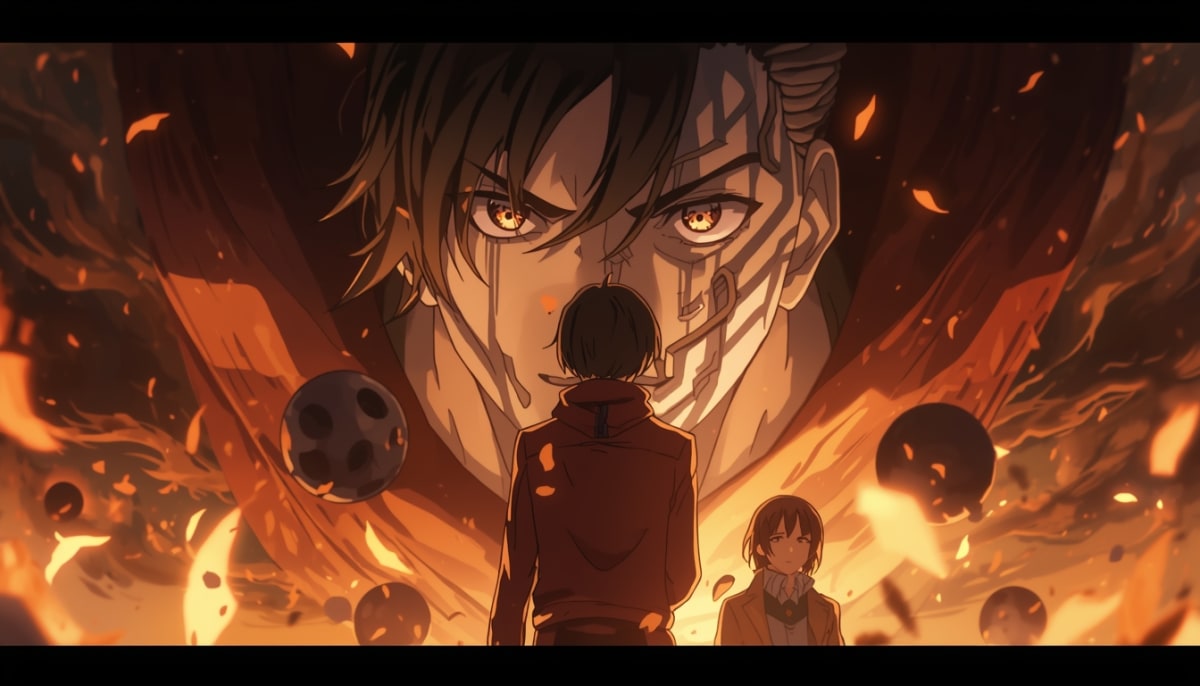
Attack on Titan Ending Explained 2026: Complete Analysis, Themes & Controversy
⚠️ SPOILER WARNING: This article contains major spoilers for the Attack on Titan manga and anime finale. If you haven't finished the series, proceed with caution.
Attack on Titan's ending remains one of anime's most discussed and controversial finales. Years after the manga concluded and the anime adaptation finished, fans continue to debate what happened, why it happened, and what it all means. Here's the complete 2026 analysis of the Attack on Titan ending, breaking down every major plot point, character fate, theme, and symbol to help you understand this complex conclusion.
From Eren Yeager's true motivations to Mikasa's heartbreaking choice, from the cycle of hatred to the philosophical implications about human nature, this comprehensive 4,000+ word guide explores every aspect of the ending. Whether you loved it, hated it, or are still processing it, this analysis provides the context, explanations, and insights you need to fully understand Attack on Titan's finale.
Quick Navigation
Click to jump directly to a section:
- Ending Summary: What Happened
- Eren's Plan Explained
- Character Endings
- Themes Analysis
- Symbolism Deep Dive
- Controversy Explained
- Manga vs Anime Ending
- Philosophical Implications
- Legacy & Impact
- FAQ: Common Ending Questions
- Future Outlook
Ending Summary: What Happened in Attack on Titan's Finale
In the Attack on Titan finale, Eren Yeager's Rumbling—a catastrophic march of colossal Wall Titans designed to destroy the entire world—is stopped prematurely by an alliance of his friends and former enemies. The "Battle of Heaven and Earth" culminates in Eren's death, the end of the Titan curse, and a bittersweet resolution that leaves 80% of humanity dead but grants the survivors a temporary peace.
Key Events in the Finale
The final arc begins with Eren initiating the Rumbling after making contact with Zeke Yeager in the Paths dimension. The Wall Titans emerge from Paradis Island and begin their march of destruction, killing 80% of humanity across the globe. As the Rumbling progresses, an unlikely alliance forms between the remaining Survey Corps members (Armin, Mikasa, Levi, Jean, Connie) and the Marleyan Warriors (Reiner, Annie, Pieck, Falco, Gabi) to stop Eren.
The alliance travels to Fort Salta, where Eren's Founding Titan form has positioned itself. Hange Zoë, the 14th Commander of the Survey Corps, sacrifices their life to buy time for the flying boat to escape Odiha, naming Armin as their successor. The alliance engages in the "Battle of Heaven and Earth" against an army of past Titan shifters summoned by Ymir Fritz through the Paths.
The Rumbling's Conclusion
In the Paths dimension, Armin has a crucial conversation with Zeke Yeager, convincing him that life has inherent value and meaning beyond the cycle of hatred. This conversation leads Zeke to reveal his location, allowing Levi to decapitate him and sever the royal blood connection that powers the Rumbling. The Wall Titans momentarily stop.
However, the Titan source creature emerges, and Eren transforms into a new Colossal Titan form. Armin battles Eren in this form while Mikasa locates Eren's true human body in the mouth of his original Founding Titan. In the most emotionally devastating moment of the series, Mikasa decapitates Eren, the person she loved most, to save humanity and free Ymir from her 2,000-year enslavement.
The Final Outcome
Mikasa's act of killing Eren despite her deep love for him frees Ymir Fritz from her emotional prison. Ymir had been waiting for 2,000 years for someone to show her how to break free from her toxic love for King Fritz. Witnessing Mikasa's choice, Ymir ends the Titan power forever. All remaining Pure Titans revert to human form, and the "source of all living matter" disappears.
The survivors on Paradis and the mainland begin rebuilding. Eren's friends become peace ambassadors, with Armin leading diplomatic efforts. However, the cycle of hatred isn't permanently broken. The post-credits scene shows Paradis being destroyed in a future war years later, and the final image shows a child approaching a tree similar to the one where Ymir found the source of the Titans, hinting that the cycle might begin anew.
Eren's Plan Explained: Why He Did It and How It Worked
Eren Yeager's plan is one of the most complex and debated aspects of the Attack on Titan ending. Understanding his true motivations requires examining both his stated reasons and the deeper psychological and deterministic forces driving him.
Why Did Eren Start the Rumbling?
Eren started the Rumbling for a complex mix of stated and true motivations, ultimately driven by his desire for freedom and the future he had seen in his memories. His stated reason was to protect Paradis Island and its people from the rest of the world, which had declared war on them. He claimed it was the only way to ensure their survival and give them a chance at a long life.
However, his true motivations were more complex. Eren felt disappointed that the world beyond the walls was not the empty, pristine landscape Armin dreamed of, but just another place with humans, hatred, and conflict. He wanted to wipe the slate clean to achieve his vision of true freedom—a world without walls, without enemies, without the cycle of hatred.
After kissing Historia's hand, Eren saw fragmented future memories of the Rumbling and his end, making him feel trapped by a predetermined future he felt compelled to follow. While other options like Zeke's euthanasia plan or diplomacy were discussed, Eren rejected them, believing they wouldn't guarantee success or would involve unacceptable compromises like sacrificing Historia or the Eldian race's future.
What Was Eren's True Plan?
Eren's true plan was a "zero-approval gambit" to destroy 80% of the world's population, making his friends the celebrated heroes who stopped him. He knew he would be stopped at 80% destruction and that the surviving 20% of humanity would be too weak to immediately retaliate against Paradis. His end goal was to break the cycle of hatred by demonstrating humans of different sides could unite for a greater good, ending the Titan curse, and ensuring a period of peace for Paradis and his friends.
He saw the future through his Titan powers and knew the outcome, yet still moved forward, allowing events to unfold as he had foreseen. This creates a paradox: Eren was both the orchestrator of his own fate and a slave to it. He made choices that led to the future he saw because he wanted that outcome, even sacrificing his own mother to maintain the timeline.
How Did Eren's Plan Work?
Eren's plan worked through careful manipulation and strategic choices. He manipulated events from the past (influencing his father Grisha to steal the Founding Titan) to the present, ensuring the necessary conditions were met. He had conversations with his friends in the Paths before the final battle but erased their memories until after his death, so they would fight him without hesitation and believe they had a choice.
He didn't take away his friends' Titan powers or freedom, allowing them to effectively fight and kill him. The key mechanism was Ymir Fritz, the original Titan, being freed from her emotional servitude to King Fritz after witnessing Mikasa's choice, which ended the Titan power entirely.
Eren's Relationship with Freedom
Freedom was Eren's primary driving force, but his definition was extreme and ultimately self-defeating. To Eren, true freedom was an empty, boundless world, without the walls (both physical and societal) and people who brought conflict. He pursued this freedom relentlessly, becoming a "slave to freedom" who would trample anyone who stood in his way, even innocent people.
The irony is that in his obsessive pursuit of freedom, he became a slave to his own predetermined fate and desires, no different from those he initially fought against. He achieved a form of personal freedom in death and freed his friends from the Titan curse, but the ending implies true freedom from conflict is an illusion as war eventually returns to Paradis.
Why Did Eren Cry?
Eren's tears in the final chapters (and the first episode) stemmed from deep internal conflict, regret, and the weight of his predetermined actions. He cried because he was deeply conflicted about the mass murder he was committing and the necessity of sacrificing millions of innocent lives, including children like Ramzi. He regretted pushing his friends away and felt immense sadness that he had to die and couldn't live a long life with Mikasa and Armin.
His emotional state was one of anguish, as he was a "garden-variety idiot" forced into a monstrous path by fate and his own desires, yet still a human who cared for his loved ones. This breakdown in his final conversation with Armin shows the humanity beneath the monster, revealing the tragic cost of his choices.
Eren's Relationship with Mikasa and Armin
Eren deeply loved Mikasa and Armin, viewing them as the most important people in his life. His harsh words and actions (like telling Mikasa he hated her) were a calculated attempt to push them away so they would have the resolve to kill him and become heroes. He cared for them immensely, and his ultimate plan was centered on ensuring their survival and happiness. He sacrificed his own life, his future, and his humanity to free them from the Titan curse and global persecution, showing the depth of his love.
Character Endings: What Happened to Everyone
The Attack on Titan ending provides closure for each major character, though not all endings are happy. Here's what happened to each character in the finale.
Mikasa: The One Who Freed Ymir
Mikasa delivers the fatal blow to Eren, decapitating him to end the Rumbling and save the world. She makes the painful choice to kill Eren, the person she loved most, prioritizing the greater good and freeing Ymir, while still loving him. She buries Eren's head under their childhood tree and visits his grave often. She likely marries Jean (implied) and has a family, but never forgets Eren, keeping his scarf until her death of old age.
Her character arc completes as she breaks the cycle of attachment that trapped Ymir, showing that true love is about freeing the loved one, even from themselves. A bird (symbolic of Eren's spirit and freedom) adjusts her scarf in a final emotional moment at Eren's grave, representing their enduring connection.
Armin: The Hero and Diplomat
Armin survives the final battle and uses his intellect to become a diplomat. He convinces Zeke to give up in the Paths and leads the alliance in the final fight, battling Eren in a Colossal Titan form. He becomes the 15th Commander of the Survey Corps and an ambassador for peace, working to bridge the gap between Paradis and the outside world. He gets to see the "flaming water, land made of ice, and fields of sand" he dreamed of as a child.
His relationship with Eren is complex: he understands Eren's pain but doesn't fully forgive him for the genocide, acknowledging their shared guilt and saying they'll meet in hell if it exists. Armin represents hope for a peaceful future through diplomacy and empathy.
Levi: The Survivor Who Found Peace
Levi survives the finale but is severely injured, losing fingers and the use of one eye. He fulfills his promise to Erwin by killing Zeke, finally putting his commander's soul to rest. He ends his life as a soldier and is last seen in a wheelchair, living a peaceful life in a village and giving sweets to children alongside Gabi and Falco. After a lifetime of fighting, he finally finds peace and purpose beyond combat.
Other Characters
Jean and Connie: They are briefly turned into Pure Titans by the "source of all living matter" but revert to human form after Eren's death. They join Armin's diplomatic mission for peace.
Historia: She is pregnant during the Rumbling (to avoid inheriting the Beast Titan prematurely) and after the war rules Paradis as Queen, protecting her people and the families of those who fought Eren.
Reiner, Annie, Falco, and Gabi: They all survive the battle and reunite with their families. Annie and Reiner return to their parents in Marley, and Falco and Gabi help rebuild communities. They are finally free from being weapons of war.
Hange: The 14th Commander of the Survey Corps, Hange sacrifices their life to allow the flying boat to escape the Rumbling, naming Armin as their successor.
Character Arcs in the Ending
Eren: From an idealistic boy seeking freedom to a tragic villain who orchestrates a genocide for his friends' future, burdened by fate and his own desires.
Mikasa: From an over-reliant protector to an independent woman who makes the hardest choice for the greater good, breaking a 2,000-year cycle.
Armin: From a physically weaker boy with big dreams to a wise and empathetic leader and diplomat, representing hope for a peaceful future.
Levi: From humanity's strongest soldier bound by promises to a scarred veteran who finds peace and a purpose beyond fighting.
Reiner: From a guilt-ridden warrior seeking death to a survivor who is allowed to live and reunite with his family, finding redemption.
Themes Analysis: Understanding the Deeper Meanings
Attack on Titan's ending explores several profound themes that have resonated with audiences worldwide. Understanding these themes is crucial to grasping the full meaning of the conclusion.
The Theme of Freedom
Freedom is the central, and most ironic, theme of Attack on Titan. The story explores the lengths people will go to achieve freedom and questions whether it's truly attainable. Freedom is portrayed as a burden of choice rather than a utopian state. For Eren, it was an empty world; for the others, it was living without the threat of Titans or oppression.
The cost is immense: 80% of humanity's lives and Eren's own humanity and life. The irony is that Eren becomes a "slave to freedom" and his pursuit of it leads to a cycle of violence repeating in the distant future. The ending suggests that absolute freedom may be an illusion, and that true freedom comes from accepting limitations and making choices within them.
The Cycle of Hatred
The series argues that the cycle of hatred and war is a fundamental aspect of human nature that is incredibly difficult to break. It's shown through centuries of conflict between Eldians and Marleyans, passed down through generations of trauma and revenge. The ending provides a temporary break through Mikasa's choice and Armin's diplomacy, suggesting empathy is key.
However, the message is bleak but realistic: the cycle of hatred is inherent in human nature and seems destined to repeat, even after immense sacrifice. The post-credits scene showing Paradis destroyed years later reinforces this theme, suggesting that while individual acts of heroism matter, they may not permanently break the cycle.
The Theme of Sacrifice
Sacrifice is a constant element throughout the series, from the Survey Corps dedicating their hearts to Eren sacrificing millions and himself. Sacrifices are made for peace, for comrades, for a perceived greater good, and sometimes in vain (Erwin's charge). The ending suggests that while individual sacrifices were made for the survival of the main group and a temporary peace, the ultimate worth is ambiguous as humanity eventually returns to war.
The story emphasizes the heavy cost of every action and the human toll of conflict. The only successful "sacrifice" was the elimination of the Titan power itself, which was the source of conflict. This suggests that true change requires eliminating the root cause of problems, not just treating symptoms.
The Theme of Morality
Attack on Titan explores moral gray areas, challenging traditional notions of good and evil. Eren's actions are presented as genocide, an undeniable evil, yet they are driven by a desire to protect his loved ones, creating a complex moral dilemma. He is both a hero and a villain. There are no clear "good guys"; every faction commits atrocities, and characters are forced to make difficult, often horrific, choices.
The series highlights the blurred lines in war, where victims become perpetrators and motivations are layered. The ending forces viewers to confront uncomfortable questions about whether any action can be justified in war, and whether good intentions can excuse terrible deeds.
Determinism vs Free Will
The ending heavily leans towards determinism, as Eren sees the future and follows it, but also suggests a measure of choice within that framework. The Attack Titan's ability to see future memories means many events were fated to happen as they did. Eren couldn't change the outcome of the Rumbling stopping at 80%.
However, characters believe they have free will and make conscious choices, which is part of the tragedy. Eren gave his friends the "freedom" to stop him, making their choices meaningful despite the predetermined result. The story suggests that while the large-scale future might be set, individuals still have agency in how they live their lives and face their fate.
The Theme of Human Nature
Attack on Titan offers a pessimistic view of human nature, suggesting humans are inherently prone to conflict, hatred, and self-destruction. The story posits that humans will always find a reason to fight, whether over resources, ideology, or mere existence. The ending implies humans cannot truly change their nature, as peace is only temporary and war eventually returns.
Despite the bleakness, there is a glimmer of hope in the characters' capacity for empathy, love, and the attempt to build a better world, even if it doesn't last forever. The final image of the boy approaching the tree suggests that life and the potential for a new beginning always continue, even if the cycle repeats.
Symbolism Deep Dive: The Deeper Meanings
Attack on Titan's ending is rich with symbolism that adds layers of meaning to the narrative. Understanding these symbols is key to fully appreciating the conclusion.
The Bird: Symbol of Freedom
The bird, specifically the "freedom bird" and the motif of flight, is one of the most prominent and consistent symbols throughout the series, primarily representing freedom. From the beginning, Armin shared his book with Eren, dreaming of a world of "flaming water and fields of ice," a world that implied freedom from the walls. Eren's desire was to fly freely like the birds.
Birds appear frequently, from the first chapter/episode where Eren wakes up to a flock of birds flying over him, to the final manga panel and anime scene. In the finale, a bird appears to gently wrap Mikasa's scarf around her neck at Eren's grave, and a flock flies away in the final moments of the anime credits sequence. The final scene bird implies that a part of Eren's spirit achieved the freedom he craved, watching over Mikasa even after death. However, in the grander scheme, it may also suggest that freedom is a constant, fleeting state that humanity strives for but can never truly grasp permanently.
The Paths: Connection and Fate
The "Paths" (Paths of the Coordinate) are a metaphysical dimension connecting all Eldians across space and time, allowing for memory transfer and Titan power manipulation. They are invisible channels that all Eldians are linked to, where the flow of time appears instantaneous or slow depending on one's connection. All sand in the Paths flows to the "Coordinate" tree where Ymir worked for 2,000 years.
The Paths symbolize the shared bloodline, history, and collective trauma of all Eldians, binding them together in an unbreakable, almost spiritual, link. They are also a physical representation of fate and destiny. Eren uses them to manipulate the past and future, suggesting a predestined reality that characters must walk along. The Paths signify that no Eldian is truly an individual; their choices, memories, and lives are all interconnected and influenced by their shared history and the power of the Titans. It's only when Ymir is freed that the Paths disappear, freeing Eldians from this collective destiny.
The Tree: Origin, Grave, and Cycle
The tree is a powerful and recurring symbol representing life, origin, sacrifice, and the cycle of history. The story of the Titans begins with Ymir falling into the base of a large tree and fusing with the source of all living matter. It represents the source of the Titan power, a parasitic life form that granted immense power but also immense suffering.
Eren is buried under his favorite tree on the hill in Shiganshina, transforming the symbol of origin into a grave marker for the one who ended the power. The final scene shows a massive tree similar to the original Ymir tree growing over Eren's grave, and a child approaching it decades later. This symbolizes the enduring nature of life, the inevitable return of conflict and power struggles, and the cyclical nature of history repeating itself.
Other Important Symbols
The Scarf: Symbolizes Mikasa's bond with Eren and her protection/dependence on him. When she finally takes it off to bury him, it signifies her moving on and breaking free from her emotional attachment. The bird wrapping it one last time in the finale adds a final emotional weight to their enduring connection.
The Ocean: Initially a symbol of boundless freedom and the "outside world" Eren and Armin dreamed of, it later becomes a symbol of the vast, indifferent world filled with enemies that Eren must destroy to achieve his version of freedom.
The Walls: The literal and metaphorical symbols of imprisonment, safety, ignorance, and the boundaries humanity places on itself. Their destruction signifies the end of isolation and the forced confrontation with the outside world.
The Coordinate: The place where all paths converge, symbolizing the center of all power and the source of Ymir's 2,000-year servitude.
The Symbolism of the Ending
The ending's symbolism is rich but also a source of controversy due to its bleakness. The final scene of the child approaching the new giant tree symbolizes that while the Titan curse ended, the human cycle of finding power, conflict, and repeating history has not. It is a cautionary tale that peace is fragile and temporary. The message is that human nature and the desire for power and conflict are eternal. Peace can only last for a time before the cycle begins anew. It suggests that all the sacrifice may have just bought time, not permanent peace, forcing readers to confront the difficult reality that utopia might be unattainable. The "curse" might not have been the Titans themselves, but human nature.
Controversy Explained: Why Fans Are Divided
The ending of Attack on Titan (manga chapter 139) is highly controversial because it abruptly shifted the narrative's tone, themes, and character motivations in a way many fans felt was inconsistent with the preceding story arcs.
Why Is the Ending Controversial?
Fans cite Eren's character regression into an "idiot" ("I don't know if I wanted to be stopped...I'm just a garden-variety idiot") and apparent plot holes (e.g., why he killed his own mother) as major issues. Supporters argue the ending was a realistic, tragic, and philosophical conclusion that stayed true to the story's grim themes of the inevitable nature of human conflict and the impossibility of a perfect, clean resolution.
The debate centers on whether the ending was a poetic masterpiece of determinism and tragedy or a rushed, inconsistent conclusion that undermined Eren's strong character development in the final arc. The controversy has divided the fandom into those who see it as a profound statement on human nature and those who feel it betrayed the characters and themes built up over years.
Common Criticisms
Character Inconsistencies: Eren's breakdown in his final conversation with Armin was viewed by many as a drastic change from the stoic, driven "genocidal maniac" persona he had adopted earlier. Some felt Mikasa's final action was rushed.
Plot Holes/Lack of Clarity: Questions arose about the mechanics of Eren's manipulation of the past (e.g., the exact mechanism for killing his mother) and why Ymir's 2,000-year wait hinged specifically on Mikasa's choice.
Pacing Issues: The final chapter (139) was felt to be too short to wrap up all the complex plot threads and character fates, leading to a crammed, rushed feeling.
Thematic Problems: Many felt the ending's message that "war is inevitable" contradicted earlier themes about empathy and breaking cycles, seemingly justifying mass genocide as a necessary evil that ultimately fails to achieve lasting peace. The epilogue showing Paradis destroyed years later felt nihilistic to some.
Defenses of the Ending
Realism and Tragedy: Defenders point out that AoT was never a typical shonen with a happy ending. The conclusion is a realistic take on how conflicts rarely end cleanly in real life. The 80% rumbling achieved a temporary peace, which is a significant, albeit tragic, result.
Thematic Consistency: The determinism theme was strong throughout the final arcs, and Eren being a "slave to freedom" from the start makes sense with the ending. His breakdown shows his humanity beneath his monster facade.
Ymir's Arc: Mikasa's choice was the specific moment of emotional freedom Ymir needed to see, making her arc feel complete.
The Anime Fixes: Supporters of the anime ending mention that added scenes and context smoothed over many of the manga's rough edges, improving the overall reception.
How Has the Controversy Evolved?
The initial manga ending in 2021 received intense backlash, leading to review bombing and a deeply divided fandom. Isayama even apologized for some aspects of the execution. Time has softened some opinions. The release of the anime special, which added extra dialogue, music, and the full "extra pages" content into the main story, has been much better received.
The current consensus is still mixed, but the anime version is generally viewed more favorably than the manga chapter 139. Discussions in 2026 acknowledge the ending as a bold, philosophical conclusion, even if divisive, often praised for its ambition and thematic weight over pure satisfaction.
Author's Response
Author Hajime Isayama has acknowledged the criticisms and the divisiveness of his ending. He has publicly apologized for potentially disappointing some fans and causing confusion. He has stated his desire was always to write a tragic, bittersweet ending, as he was influenced by other works with finality (like Guardians manga). He chose an ending that he felt was true to the grim reality of war.
Isayama worked closely with the anime studio, MAPPA, to add new dialogue and expand scenes for the final anime special, specifically to clarify plot points and add emotional weight that was missing in the manga, acknowledging that the rushed pacing was an issue.
Manga vs Anime Ending: Differences and Improvements
The main differences between the manga and anime endings are not in the major plot points (Eren dies, Rumbling stops at 80%, peace is temporary), but in the execution, added scenes, and clarified dialogue.
What Are the Differences?
The anime expanded Eren's conversation with Armin in the Paths, providing more emotional context for Eren's feelings and regrets. The anime's use of powerful animation and Hiroyuki Sawano's score elevated emotional scenes (Hange's death, Mikasa and Eren's final moments) which were static panels in the manga. The manga's infamous "extra pages" which showed the eventual destruction of Paradis were placed after the main story in the anime, integrating them more seamlessly into the narrative.
How Did the Anime Improve the Ending?
The anime made the timeline of Eren's memory manipulation and Ymir's motivations clearer for the audience. Added scenes, like Levi's final moments with Gabi/Falco and the expanded Eren-Armin talk, provided a more satisfying emotional payoff for the characters' arcs. By giving the ending a full hour-plus episode runtime, the pacing felt less rushed than the single manga chapter, allowing the story beats to land better.
What Stayed the Same?
The core plot remained identical: Eren's death by Mikasa, the end of the Titan curse, the 80% destruction, and the temporary peace followed by future conflict. The final fates of all the main characters were preserved as per the manga. The core themes of determinism, the cycle of hatred, and flawed human nature are consistent across both versions.
Which Version Is Better?
The general consensus among fans and critics is that the anime ending is superior to the original manga ending. The anime's strengths lie in its improved pacing, enhanced emotional context, and visual storytelling, which smoothed over many of the manga's rough edges and clarity issues. The manga version felt rushed and vague in comparison, leading to the initial backlash.
Philosophical Implications: What It Says About Humanity
Attack on Titan's ending offers profound philosophical statements about war, peace, humanity, power, and sacrifice that continue to resonate with audiences.
What Does the Ending Say About War?
The ending suggests that war is an inherent and likely unavoidable part of the human condition. It doesn't justify Eren's war, but frames it as a tragic outcome of centuries of built-up hatred and conflict that no one could stop once it gained momentum. The cost of war is everything: lives, morality, innocence, and peace itself. There is no permanent solution offered, only temporary ceasefires bought at tremendous cost.
What Does It Say About Peace?
Peace is achieved temporarily through an act of shared, sacrificial heroism (stopping Eren) and diplomacy (Armin and co.). However, the epilogue shows that this peace is fragile and temporary. Humanity eventually falls back into conflict, suggesting lasting peace is an illusion. The reality presented is that peace requires constant, conscious effort and sacrifice, and even then, human nature might just revert to conflict.
What Does It Say About Humanity?
Attack on Titan offers a pessimistic but complex view of human nature. Humans are capable of incredible empathy, love, and unity (the alliance), but also capable of immense hatred, self-destruction, and the drive for power (the cycle of war). It suggests humans might not be able to fundamentally change their nature, but individual efforts at empathy and communication (like Armin's) are still valuable. The message is that humanity is flawed, tragic, but also resilient. Life finds a way, for better or worse, and the struggle continues.
What Does It Say About Power?
Attack on Titan presents a bleak view of power as inherently corrupting, destructive, and difficult to relinquish. Power, specifically the Titan power, is a "curse" or "parasite" that enslaves its users and perpetuates violence. It is portrayed as a heavy burden that forces individuals to make monstrous choices. Power is primarily used for oppression, war, and self-preservation. Even when used with supposedly good intentions (like Eren's), it inevitably leads to mass suffering and moral compromise.
The cost is the user's humanity, freedom, and often their life. Ymir was enslaved for 2,000 years, and Eren became a "slave to freedom" who had to commit genocide and die to end the cycle. The message is a cautionary tale that absolute power is a poison. The only way to achieve true peace is to completely eliminate the source of such power, which Mikasa and Ymir ultimately do by ending the Titan curse.
What Does It Say About Sacrifice?
Sacrifice is a core mechanic of the Attack on Titan narrative, but the ending questions its ultimate value when the problems it addresses are cyclical. The series honors individual sacrifices made for comrades and immediate survival (like Hange's death). These moments have emotional and narrative value in the immediate context of the war. However, the ending implies that localized sacrifices for a "greater good" might be necessary in wartime, but large-scale sacrifices (like Eren's genocide) are morally grey and ultimately fail to achieve lasting change, as war returns. The cost is always lives, trauma, and a loss of innocence. The message is complex: while noble acts of sacrifice define heroes, they might not fundamentally change the long-term, cyclical nature of human conflict.
Legacy & Impact: How the Ending Affected the Series
The ending has permanently defined the series' legacy as one of the most significant and controversial anime/manga conclusions in history.
How Did the Ending Affect the Series' Reputation?
The initial manga ending caused a massive stir, dividing the fandom and leading to widespread criticism and online debate. The reputation took a hit for many. However, the anime adaptation, with its improvements, improved the ending's standing. Time has allowed for more thoughtful analysis, moving the conversation past immediate anger toward appreciation for its bold philosophical stance.
The series is still considered a masterpiece of storytelling up until the final chapters/episode. The ending is viewed as a brave, if divisive, conclusion that prompts discussion rather than satisfaction. It has become a benchmark for how impactful a story can be, even with a controversial conclusion.
How Did Fans React?
The initial response was highly polarized. Many fans felt betrayed, disappointed by Eren's portrayal ("garden-variety idiot"), and felt the ending was a cop-out that nullified the character's journey. Others defended it immediately as a tragic, realistic masterpiece. The response evolved as the anime added context, leading to a slight shift in consensus towards a more favorable view, or at least a better understanding of Isayama's intent. The fanbase remains divided, but the overall reception of the anime ending is more positive than the manga version.
How Did Critics React?
Critical consensus was also initially split but often more positive than the initial fan reaction. Critics generally praised Isayama's ambition and philosophical depth, even if they acknowledged pacing issues or emotional shortcomings. Most professional critics view the ending as a powerful, albeit flawed, artistic statement that stayed true to the story's grim themes, solidifying the series' place in prestige television/manga.
What Is the Ending's Place in Anime History?
Attack on Titan's ending is one of the most debated finales in anime history, comparable in discussion volume to Neon Genesis Evangelion or Code Geass. It marks a high point for mature, mainstream storytelling in the shonen genre, tackling complex moral dilemmas and a grey narrative that few series match. Its legacy is a benchmark for serialized storytelling, showing how impactful a story can be, even with a divisive conclusion.
How Has the Ending Influenced Other Works?
The series as a whole has influenced global entertainment with its dark themes and complex world-building. The ending's impact specifically is cautionary: it shows writers the risks of concluding a massively popular, complex narrative and managing fan expectations. It remains a significant cultural moment, keeping fan discussion alive years after its conclusion.
FAQ: Common Ending Questions
Q1: Why did Eren do it?
A: He did it to protect his friends, ensure the end of the Titan curse, and because he was driven by a predetermined fate he couldn't escape, wanting the world to be a blank slate like in Armin's book.
Q2: Did Eren want to be stopped?
A: Yes, his plan hinged on his friends stopping him to become heroes and end the cycle.
Q3: What happened to Mikasa?
A: She lived a long, full life, visited Eren's grave frequently, and was eventually buried beside him.
Q4: What happened to Armin?
A: He survived, became the 15th Commander, and was a key peace ambassador.
Q5: Is there a sequel?
A: No official sequel has been announced, though the final manga epilogue hinted at a new cycle beginning generations later.
Q6: Why did Eren cry?
A: He was overwhelmed by guilt, sadness, regret for having to kill so many people, and the sadness of knowing he couldn't live a long life with his friends.
Q7: Why did Mikasa kill Eren?
A: She killed him to save the rest of the world, free Ymir Fritz from her emotional prison, and end the Titan power forever. It was the hardest choice she ever made.
Q8: What happened to Historia?
A: She ruled Paradis as Queen and raised her child, protected by the actions of Eren's friends.
Q9: Did Levi die?
A: No, he survived, albeit with severe injuries (blind in one eye, two fingers missing, in a wheelchair). He found peace helping children in Liberio.
Q10: What was Eren's plan?
A: A "zero-approval gambit" to destroy 80% of humanity, making his friends heroes who would ensure a temporary peace for Paradis.
Q11: What happened to the Titans?
A: The "source of all living matter" disappeared after Ymir was freed, causing all existing Titans to revert to human form and the power to vanish from the world.
Q12: What is the message of the ending?
A: Human conflict is cyclical, peace is temporary, power corrupts, and while we fight fate, our small acts of empathy matter.
Q13: Is the ending good or bad?
A: It's a highly subjective matter, debated by the fandom. It is an artistically bold ending that some find profound and others find unsatisfying.
Q14: Will there be a sequel?
A: Currently no official plans exist.
Q15: Are there spin-offs?
A: There are side stories and supplementary materials, but nothing continuing the main narrative past the epilogue. The story of the Titans is officially over.
Future Outlook: What Comes Next?
As of 2026, there are no official plans for a sequel to Attack on Titan. The story of the Titans is officially over, with the manga and anime both concluding the main narrative. However, the final epilogue showing a child approaching the tree suggests that the cycle of conflict and power might begin anew in a distant future, leaving room for theoretical continuation.
There are side stories and supplementary materials, but nothing continuing the main narrative past the epilogue. The ending's ambiguity about the future—showing both temporary peace and eventual destruction—suggests that while the specific story of Eren, Mikasa, and Armin is complete, the themes of conflict, power, and human nature will continue to resonate.
The legacy of Attack on Titan's ending will likely continue to be debated for years to come, as fans and critics analyze its themes, symbolism, and philosophical implications. Whether viewed as a masterpiece or a disappointment, it has secured its place as one of the most significant and discussed conclusions in anime and manga history.
Conclusion: Understanding Attack on Titan's Ending in 2026
Attack on Titan's ending is a complex, controversial, and deeply philosophical conclusion that continues to spark discussion years after its release. From Eren's tragic plan to Mikasa's heartbreaking choice, from the cycle of hatred to the symbolism of the bird and tree, every aspect of the ending is layered with meaning and open to interpretation.
The ending doesn't provide easy answers or a clean resolution. Instead, it presents a realistic, tragic view of human nature, conflict, and the difficulty of achieving lasting peace. It forces viewers to confront uncomfortable questions about morality, determinism, and the cost of freedom. Whether you see it as a profound statement on human nature or a rushed conclusion that betrayed its characters, the ending has undeniably left its mark on anime and manga history.
As we move further into 2026, the ending's themes of cyclical conflict, the cost of power, and the struggle for freedom remain as relevant as ever. The debate will likely continue, but one thing is certain: Attack on Titan's ending will be remembered as one of the most ambitious, controversial, and discussed conclusions in the medium's history.
Last Updated: January 2026 | Based on Attack on Titan manga chapters 131-139 and anime finale | Next Review: As new discussions and analyses emerge